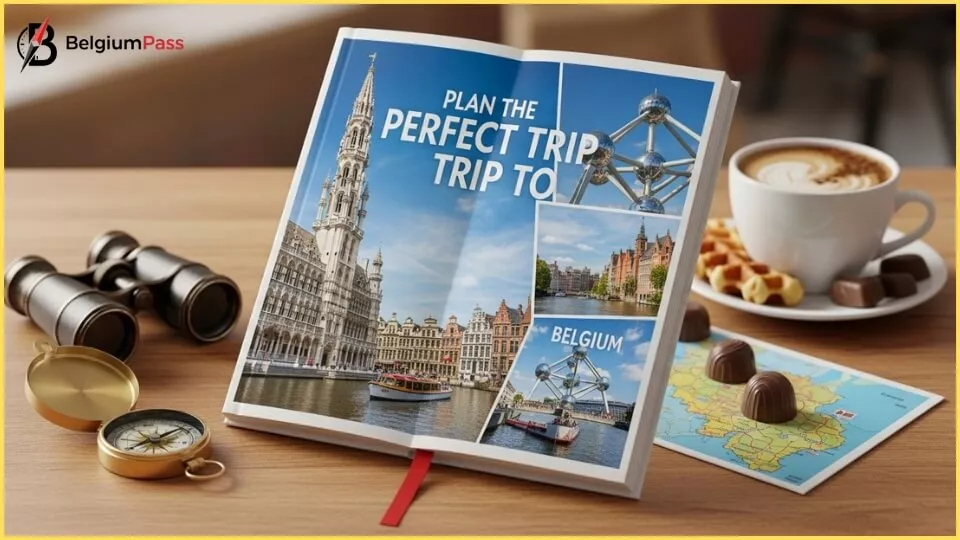
Plan the Perfect Trip to Belgium: A Complete Travel Guide
Can we talk about how criminally underrated Belgium is? Everyone flies into Brussels, grabs a waffle near the Grand Place, and immediately boards a train to Paris or Amsterdam. Meanwhile, Belgium is sitting there with some of the most beautiful medieval cities in Europe, chocolate that’ll ruin you for life, over 1,500 types of beer, and a train network so good you can visit four amazing cities in a single week without once touching a car. It’s a genuine hidden gem — and this guide will help you make the most of every single day there.
Why Belgium Deserves More Than a Stopover
Here’s the quick pitch for Belgium, in case you need convincing:
History literally everywhere — Medieval squares, ancient castles, Gothic cathedrals, WWI battlefields. It’s all there
The food situation is excellent — Waffles, fries (Belgian, not French — we’ll get into this), mussels, pralines, and beer. Incredible beer
It’s tiny and stupidly easy to get around — Brussels to Bruges is 55 minutes by train. Brussels to Ghent is 30 minutes. You can do a lot in a short time.
Three cultures in one country — Dutch-speaking Flanders in the north, French-speaking Wallonia in the south, a tiny German-speaking pocket in the east. It’s like visiting three countries at once, just without the border crossing.s
When Should You Actually Go?
Spring (April–June) — Honestly, the Best Time
Mild weather, flowers everywhere, manageable crowds, and prices that haven’t hit summer peaks yet. This is the sweet spot. If you can only go once, go in the spring.
Summer (July–August) — Fun But Busy
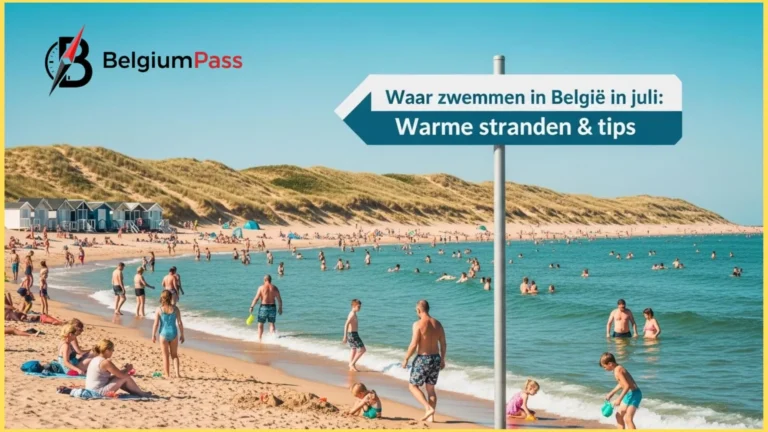
Long days, outdoor festivals, café terraces packed until midnight. Tomorrowland happens in late July (one of the world’s biggest music festivals, held in Boom). The downside is that places like Bruges can get absolutely rammed with tourists. Pro tip: visit Bruges first thing in the morning or afte6 pmpm — it completely transforms when the day-trippers head home.
Autumn (September–October) — The Underrated One
Fewer crowds, slightly lower prices, gorgeous autumn light. Genuinely one of the best times to visit, sit, and barely anyone talks about it.
Winter (November–February) — Cold But Cozy
Belgian Christmas markets are lovely — especially in Brussels, Bruges, and Ghent. It’s chilly and occasionally grey, but there’s something really special about wandering a medieval city in December with a hot chocolate. Pack warm layers and lean into it.
The Cities You Need to Visit
Brussels — Way More Fun Than “EU Capital” Sounds
Brussels has an image problem. People hear “EU headquarters” and picture grey buildings full of bureaucrats. The reality is a chaotic, diverse, food-obsessed city with stunning architecture and a brilliant sense of humor. It’s the city that chose a tiny peeing statue as its national symbol. You can’t like it.
Don’t miss:
Grand Place — One of the most beautiful squares in the world. Go at night when the guildhalls are lit up and try not to audibly gasp
Atomium — A giant atom model built for the 1958 World’s Fair that somehow still looks like it belongs in a sci-fi movie
Manneken Pis — The famous peeing boy statue. It’s much smaller than you expect, which somehow makes it even more charming.
The chocolate shops — You’re in the birthplace of the praline. Visit at least three. No regrets
Bruges — The Fairytale City That Actually Exists
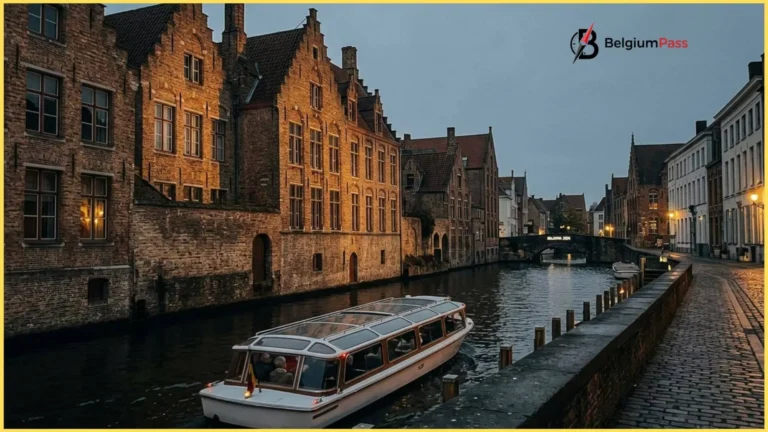
Bruges looks like someone took a medieval painting and decided to make it a real place. Canals, cobblestone streets, guild houses perfectly preserved, a belfry looming over everything. Yes, it’s on every tourist list. Yes, it still absolutely delivers.
Don’t miss:
Belfry of Bruges — 366 steps. Your legs will hate you. The view will make you forgive them
Canal boat tour — 30 minutes, affordable, and gives you the classic Bruges perspective from the water
Markt Square — Sit at a café, order something Belgian, and just stare at it for a while. You’ve earned it
Ghent — The Cooler, Less Touristy Alternative
If Bruges is the Instagram photo, Ghent is the real experience. It’s a proper living city — big university, brilliant food scene, great nightlife, and a medieval skyline that rivals Bruges without the crowds. Locals genuinely prefer it, which tells you everything.
Don’t miss:
Gravensteen Castle — A real moated medieval fortress right in the middle of the city. Brilliant
St. Bavo’s Cathedral — Home to the Ghent Altarpiece by Jan van Eyck, often called one of the greatest paintings ever made. It’s a proper wow moment
Graslei & Korenlei waterfront — Grab a local beer, sit by the water at sunset, and feel incredibly smug about your travel choices
Antwerp — Where Fashion Meets Diamonds Meets a Ridiculous Train Station
Antwerp is the one that sneaks up on you. World-famous diamond district, a fashion scene that’s genuinely internationally respected, great art museums, and a train station so architecturally spectacular that tourists visit it just to look at it — not to catch a train.
Don’t miss:
Antwerp Central Station — Built in 1905, with a huge dome, 20 types of stone, and a glass-and-iron hall that makes your jaw drop. One of the most beautiful buildings in Europe, full stop
Cathedral of Our Lady — Four original Rubens paintings inside. Yes, the actual Rubens
Nationalestraat (fashion district) — Home of the legendary Antwerp Six designers. Great for browsing even if you’re not planning to spend a fortune
How Long Do You Actually Need?
3–4 days — You’ll get a taste, but it’ll feel rushed. Good for a first dip
5–7 days — The sweet spot. Enough time for Brussels, Bruges, Ghent, and Antwerp without feeling like you’re sprinting everywhere
8+ days — Add smaller gems like Leuven, Dinant, Mechelen, Ypres, or the Ardennes countryside. You start to feel like you actually know the place
Visas and the Practical Stuff
EU/EEA citizens — No visa, just a valid ID card
US, UK, Canadian, Australian travelers — No visa needed for stays under 90 days. You need a valid biometric passport.
ETIAS heads-up — Many nationalities that don’t need a visa still need to register online via ETIAS before entering the EU. It’s quick, cheap, and easy — just don’t forget to do it before you fly.y
Travel insurance — Always get it. If you’re applying for a Schengen visa, you’re legally required to have coverage of at least €30,000 anyw.
What Will Belgium Cost You?
Here’s the honest breakdown:
| Traveler Style | Rough Daily Cost |
|---|---|
| Budget (hostels, street food, free attractions) | ~€69–€94/day |
| Mid-range (hotel, restaurants, some paid sights) | ~€150–€180/day |
| Luxury (nice hotels, fine dining, private tours) | €400+/day |
A few things worth knowing:
Trains between cities cost €8–€15 and are totally worth it
Food can be surprisingly cheap if you do street food and supermarket lunches — around €15–€20/day is doable
Free stuff is abundant — The MAS rooftop in Antwerp is always free. Many museums are free on the first Sunday of every month. Just walking around Bruges and Ghent costs nothing. ing
Getting Around Belgium
Good news: you genuinely don’t need a car. The public transport is excellent:
Trains — Fast, cheap, and reliable. The main cities are all under an hour apart. This is your man tool, and it works brilliantly
City trams and buses — Every major city has solid local transport. A day pass is around €7–€8
Bikes — Belgium, especially Flanders, is wonderfully bike-friendly. Ghent and Bruges in particular are brilliant by bike
Car — Only really useful if you’re heading into the Ardennes or exploring rural areas off the tourist trail
Where to Sleep
Quick rundown:
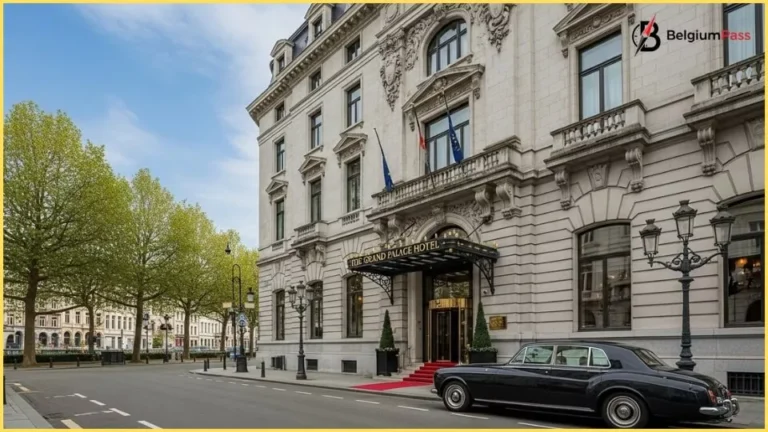
Luxury — Brussels: Rocco Forte Hotel Amigo near Grand Place. Bruges: Hotel Dukes’ Palace. Antwerp: the area near the Cathedral has some great boutique options
Mid-range — Boutique hotels in the old town areas of every major city, usually €80–€150/night. Great value for the location
Budget hostels — Antwerp’s Yust (brilliant), Brussels’ 2GO4 near Grand Place, and Brugeshavees solid options near the center. Dorm beds from €10–€30/night
Best areas to stay: Old Town in every city for convenience. Zuid in Antwerp and Graslei in Ghent for the best local atmosphere
The Food Section
Let’s be real — Belgian food is one of the main reasons to go. Here’s what you absolutely can’t skip:
Belgian waffles — Get them from a street stall. Liège-style with caramelized sugar is the correct choice. Don’t let anyone sell you a sad pre-made one covered in artificial cream.
Belgian fries — Yes, fries are Belgian. Thicker than French fries, fried twice for extra crunch, served in a paper cone with mayo. Genuinely life-changing. There are dedicated friteries (fry shopeverywhereere
Moules-frites — Mussels in a giant pot with a side of fries. Messy, delicious, very Belgian. Order it once at a mini..mum.
Chocolate and pralines — The praline was invented in Brussels in 1912. Visit multiple chocolatiers per city and try everything they’ll let you sample
Belgian beer — Over 1,500 varieties. UNESCO-recognized. Brewed by monks in some cases. Ask the bar staff for a recommendation and trust them c..ompletely
Your Ready-to-Use 5-Day Itinerary
| Day | City | The Plan |
|---|---|---|
| Day 1 | Brussels | Grand Place, Atomium, chocolate shops, evening beer in the Marolles district |
| Day 2 | Bruges | Canal boat tour, Belfry climb, cobblestone wandering, dinner in the Old Town |
| Day 3 | Ghent | Gravensteen Castle, Ghent Altarpiece, Graslei waterfront at sunset |
| Day 4 | Antwerp | Central Station, Cathedral, MAS rooftop views, fashion district stroll |
| Day 5 | Leuven or Dinant | Leuven’s Gothic Town Hall + world’s “longest bar,” OR Dinant’s cliffs and saxophone history |
Tips for First-Timers (The Stuff Nobody Tells You)
Languages: Dutch in Flanders, French in Wallonia, both in Brussels. Don’t panic — almost everyone in tourist areas speaks great English. But learning dankuwel (thank you in Dutch) and merci (French) makes people visibly happy
City names are confusing — Bruges is Brugge on Flemish signs, Ghent is Gent, Liège is Luik. You’ll see both versi o,, ns on signs and it’ll confuse you at first. Just go with it
Tipping — Not expected or required. You can round up the bill or leave a little for great service, but nobody will look at you funny if you don’t
Cash — Cards are accepted almost everywhere. But keep some coins for public toilets (yes, you often pay €0.50–€1) and small market stalls
Sundays — Shops often close or have reduced hours. Do your shopping on Saturday
Safety — Belgium is safe and comfortable for tourists. Watch your pockets around Grand Place and busy tourist squares, same as any European city. Nothing to worry about beyond normal street smarts
FAQs
Is Belgium expensive?
Mid-range by European standards. Budget travelers can get by on €70–€90/day. Mid-range is around €150–€180/day. Not cheap, but nowhere near as expensive as London or Zurich.
Is Belgium safe?
Yes, very. It’s one of the safer destinations in Europe. Normal big-city awareness applies in Brussels, but there’s nothing to stress about.
Do you need a car in Belgium?
Nope! The trains are so good that you genuinely don’t need one for the main tourist route. Save yourself the parking stress and just train it.
What is Belgium actually famous for?
Chocolate, waffles, fries (BELGIAN fries, thank you), beer, Tintin, medieval architecture, the Ghent Altarpiece, and being the political capital of Europe. Not bad for a country smaller than Wales.
Belgium is one of those places that quietly becomes one of your favorite trips. It doesn’t shout for attention the way Paris or Rome does — it just keeps delivering. Great cities, great food, great people, and enough history and culture to fill a month, all within a country you can cross in under two hours. Whether you’ve got a long weekend or a full week, Belgium will make it count.