Planning a Trip to Belgium: A First-Timer’s Visitor Guide
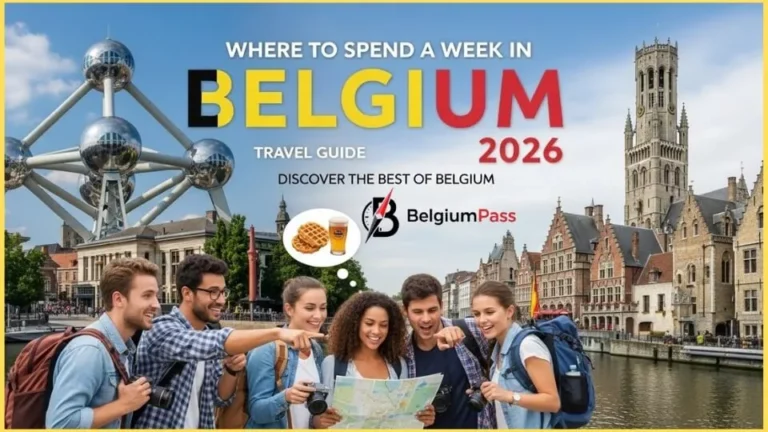
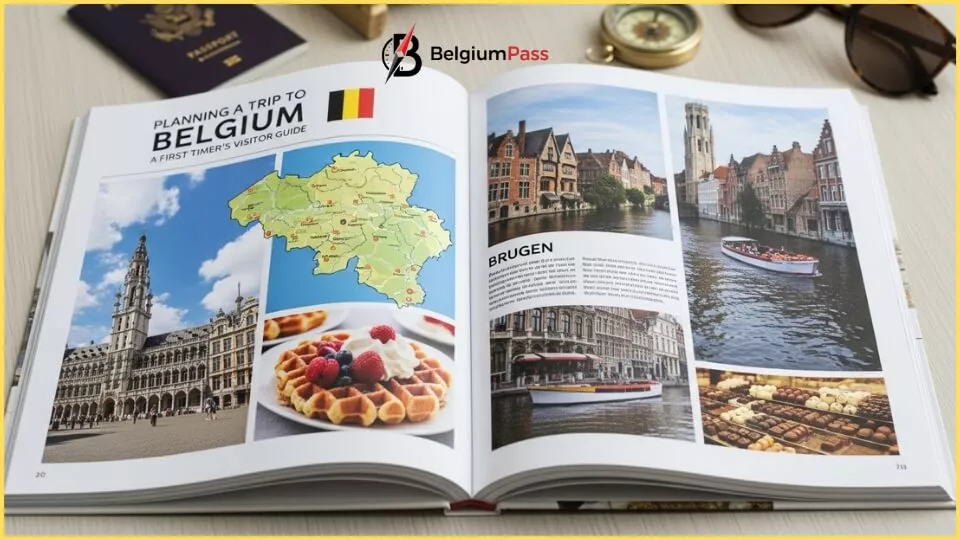
If Belgium isn’t on your travel radar yet, it really should be. This little country in the heart of Western Europe is genuinely one of the most rewarding first-time destinations you can pick — compact enough to explore properly in a week, but packed with enough medieval cities, world-class food, incredible art, and fascinating history to keep you busy for much longer. This guide covers everything a first-time visitor needs to know — from when to go and what to eat, to how to get around and how much it’ll all cost. Let’s get into it.
Where Is Belgium and Why Should You Care?
Belgium sits right in the middle of Western Europe, bordered by France to the south, the Netherlands to the north, Germany and Luxembourg to the east, and the North Sea to the northwest. That central location makes it brilliantly easy to reach from pretty much anywhere in Europe — and it also helps explain why Belgium has absorbed so many different cultural influences over the centuries.
The country is split into three main regions: Dutch-speaking Flanders in the north (where you’ll find Bruges, Ghent, and Antwerp), French-speaking Wallonia in the south, and a small German-speaking pocket in the east. Brussels, the capital, is officially bilingual — French and Dutch — which gives it a unique, slightly chaotic energy that’s very hard to dislike.
And what’s Belgium actually famous for? Chocolate, waffles, fries (Belgian, not French — more on that shortly), over 1,500 types of beer, medieval architecture, comic books, and diamonds. Not a bad CV for a country smaller than Wales.
When Should You Go?
Spring (April–June) — The Best Time, Honestly
This is the sweet spot for first-timers. Temperatures are mild (around 15–20°C), everything’s in bloom, the summer crowds haven’t arrived yet, and prices are still reasonable. If you can only go once and you want the best possible version of Belgium, go in the spring.
Summer (July–August) — Lively But Busy
Long sunny days, outdoor festivals everywhere, café terraces buzzing until midnight. Great energy. But places like Bruges get really busy in summer — like, shoulder-to-shoulder with selfie sticks busy. If you’re visiting during peak season, arrive at popular spots early in the morning or after 6 pmm when the day-trippers clear out. Trust me on this one.
Autumn (September–October) — The Underrated Season
Fewer tourists, lower prices, and the cities look gorgeous in autumn light. This is the insider’s pi, ck, and it’s massively underrated. If your dates are flexible, strongly consider September.
Winter (November–February) — Cold But Worth It
Belgian Christmas markets are genuinely magical, especially in Brussels, Bruges, and Ghent. It’s cold, it can be grey, but wandering a medieval city in December with a hot chocolate in hand is something else entirely. Just dress in proper layers.
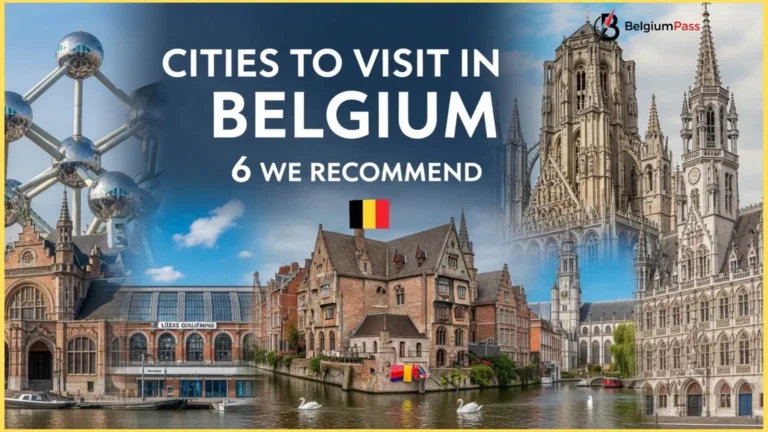
The Cities You Absolutely Need to Visit
Brussels — More Than Just the EU
Yes, Brussels is home to the EU and NATO, but don’t let that put you off. It’s a chaotic, vibrant, food-obsessed city with neighborhoods full of personality and one of the most beautiful city squares in the world. It also chose a tiny urinating statue as its national icon, which tells you everything you need to know about the Belgian sense of humor.
Don’t miss:
Grand Place — A UNESCO World Heritage Site and genuinely one of the most stunning squares in Europe. Go at night when it’s lit up. Photos don’t do it justice
Atomium — Giant atom structure built for the 1958 World’s Fair. Still looks futuristic. Worth every cent to go inside
Manneken Pis — The famous peeing boy statue. Smaller than you expect, more charming than it has any right to be
Chocolate shops — You’re in the birthplace of the praline. Budget time for at least three chocolatiers
Free stuff: Grand Place, Manneken Pis, the Comic Book Route murals, Parc du Cinquantenaire, and the Galeries Royales Saint-Hubert are all completely free
Bruges
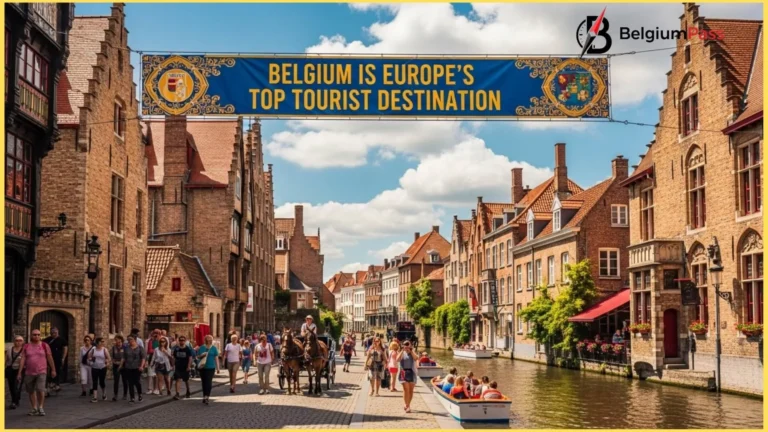
Bruges is on evBelgiangium listicle ever written,, and it earns every mention. UNESCO-listed historic center, mirror-still canals, cobblestone streets that haven’t changed in centuries. Yes, it gets crowded. Yes, it’s still absolutely worth it. The trick is timing — early mornings and evenings are magical.
Don’t miss:
Belfry of Bruges — 366 steps to the top. Your legs will file a formal complaint. The view will overrule it
Canal boat tour — 30 minutes on the water gives you the quintessential Bruges perspective
Markt Square — Sit at a café, order a Belgian beer, and just stare at the guild houses. You’ve genuinely earned this moment.
Ghent
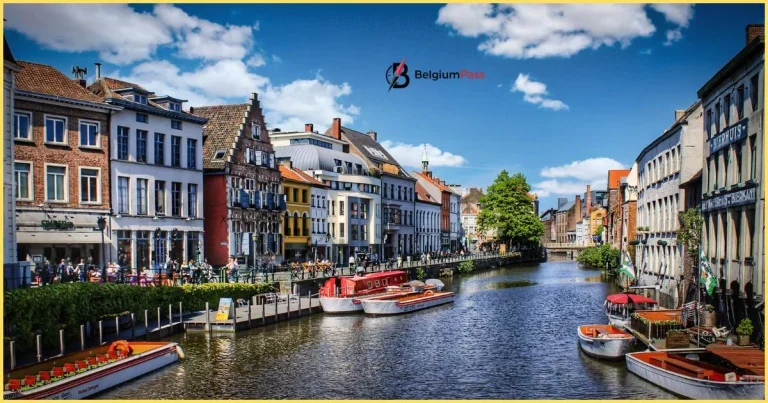
Ghent is what Bruges would be if it had a big university, a thriving food scene, and a city that actually felt lived in. It’s less polished and more authentic — locals consistently prefer it over Bruges — and the medieval skyline is just as impressive with a fraction of the tourist crowds.
Don’t miss:
Gravensteen Castle — A proper moated medieval fortress right in the middle of the city. The museum inside is brilliant and surprisingly fun. ny
St. Bavo’s Cathedral is home to the Ghent Altarpiece by Jan van Eyck, widely considered one of the greatest paintings ever made. A genuine wow moment
Graslei & Korenlei — The riverside waterfront with medieval guild houses. Get here at sunset with a local beer. One of the best moments in Belgium
Antwerp
Antwerp is the city that becomes everyone’s unexpected favorite. It’s got a world-famous diamond district, a fashion scene that’s genuinely internationally influential (home of the legendary Antwerp Six designers), brilliant art museums, and a train station so architecturally spectacular that people visit it purely to look at it.
Don’t miss:
Antwerp Central Station — Built in 1905 with a huge dome, 20 types of stone, and a glass-and-iron hall. Regularly voted one of the most beautiful stations in the world. Not an exaggeration
Cathedral of Our Lady — a Gothic masterpiece with four original Rubens paintings inside
MAS Museum rooftop — Always free, always worth it for the panoramic views over the city and old port
How Many Days Do You Actually Need?
Getting Around Belgium
Here’s the great news: Belgium is one of the easiest countries in Europe to navigate without a car.
Trains — Fast, reliable, and affordable. Brussels to Bruges is 55 minutes, Brussels to Ghent is 30 minutes, and Brussels to Antwerp is 45 minutes. Standard tickets are around €8–€18 depending on the route. Under-26? You get cheaper youth fares. Seniors over 65 travel for as little as €8.30 round-trip on weekdays
City trams and buses — Every major city has solid local transport. A single trip costs around €2–€3
Bikes — Belgium, especially Flanders, is brilliantly bike-friendly. Ghent and Bruges in particular are perfect by bike — most hostels and hotels offer rentals
Car — Only really necessary if you’re heading into the Ardennes countryside or rural Wallonia. In the cities, it’s more stress than it’s worth
Booking tip: Buy train tickets on the Belgian Railways website (b-europe.com) or at station machines. Book at least a few days ahead for the best prices, especially on weekends.
Where to Stay in Belgium
Brussels:
- Best areas: Old Town/City Center for sights and convenience; Ixelles or Saint-Gilles for a more local, neighborhood feel
- Options: Everything from luxury hotels near Grand Place (Hotel Amigo, Le Plaza) to budget hostels like 2GO4 Quality Hostel from €20–€30/night
Bruges:
- Stay in or near the historic center — it’s small enough that location matters a lot
- Boutique hotels in old canal-side buildings are gorgeous, but book up early. Mid-range B&Bs are brilliant value here
GhentThe :
- Graslei area is ideal for atmosphere. The university area around Korenmarkt is also great
- More affordable than Bruges overall, with a good mix of hostels and mid-range hotels
Ghent & Antwerp tips:
- Antwerp’s Yust hostel in Berchem is genuinely one of the best hostels in Belgium — stylish, social, and great value
- For couples wanting privacy on a budget, private rooms at Pulcinella in Antwerp’s fashion district are excellent value
Booking advice: Book at least 4–6 weeks ahead for summer visits, especially in Bruges. Use Booking.com or direct hotel websites and compare. Shoulder season (April–May, September–October) gets you the same great locations for noticeably less.
What to Eat in Belgium
Belgian food is not talked about enough, and it absolutely should be. Here’s what you cannot leave without trying:
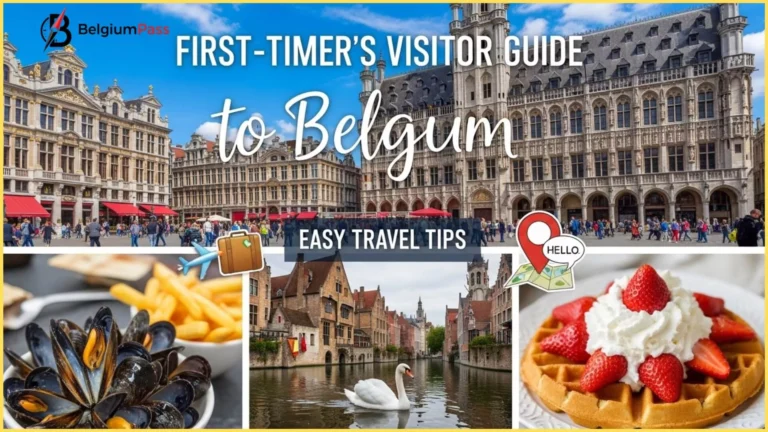
Belgian waffles — Get them from a street stall, not a tourist café. Liège-style with caramelized sugar is the correct choice. Brussels-style (lighter, crispier) is also excellent. Just make sure it’s fresh and warm.
Belgian fries — Yes, fries are Belgian, not French. Thicker, fried twice for extra crunch, served in a paper cone with mayo. Find a dedicated friterie (fry shop) and get a proper portion. Life-changing
Moules-frites — Steamed mussels in a giant pot with fries on the side. Messy, delicious, extremely Belgian. Order it at least once
Chocolate and pralines — The praline was invented in Brussels in 1912 by Neuhaus. Visit multiple artisan chocolatiers in each city and sample everything you possibly can. No regrets
Belgian beer — Over 1,500 varieties, UNESCO-recognized brewing ttraditionsand some beers brewed by actual monks. Ask bar staff for a recommendation and trust them. You will not be disappointed.
What Will Belgium Cost You?
Honest breakdown:
| Travel Style | Estimated Daily Cost |
|---|---|
| Budget (hostel, street food, free sights) | €69–€94/day |
| Mid-range (hotel, sit-down meals, some tours) | €150–€180/day |
| Luxury (nice hotels, fine dining, private tours) | €350–€400+/day |
Free things to do (there are loads):
Grand Place, Manneken Pis, and the Comic Book Route murals in Brussels
MAS Museum rooftop in Antwerp
Graslei and Korenlei waterfront in Ghent
Just wandering Bruges’ streets (costs absolutely nothing and is brilliant)
Many museums offer free entry on the first Sunday of every month
All parks and gardens in Brussels are free
Money-saving tips:
Travel on weekends for cheaper train fares
Book trains in advance for the best prices
Do supermarket lunches and save restaurants for dinner
Tap water is safe to drink everywhere in Belgium
Travel Tips for First-Timers
Languages: Dutch in Flanders, French in Wallonia, both in Brussels. Almost everyone in tourist areas speaks excellent English, so you’ll be totally fine. Learning dankuwel (Dutch for thanks) and merci (French) makes locals visibly happy, though, for the two seconds it takes
City name confusion: Bruges is Brugge in Dutch, Ghent is Gent, Liège is Luik. You’ll see both versions on signs and train boards. Don’t panic, you get used to it quic..kly
Tipping: Not mandatory or expected. Round up the bill or leave a small amount for great service, but nobody will look at you weirdly if you don’t tip
Carry coins: Public toilets often charge €0.50–€1. You don’t want to be caught short. Literally
Cards are widely accepted, but small market stalls and some street food vendors prefer cash.
Shops on Sundays: Many close or have reduced hours. Do some shopping on Saturday if you can
Safety: Belgium is a very safe country for tourists. Normal city awareness around crowded tourist areas applies — keep an eye on your bags near Grand Place — but there’s nothing specific to worry about
Your Ready-to-Use 5-Day Itinerary
| Day | Where | What to Do |
|---|---|---|
| Day 1 | Arrive in Brussels | Check in, evening walk to Grand Place, first Belgian beer, Belgian fries for dinner.. |
| Day 2 | Brussels | Atomium, Manneken Pis, chocolate shops, Comic Book Route murals, Marolles flea market |
| Day 3 | Bruges | Morning canal boat tour, Belfry climb, cobblestone wandering, evening dinner in the Old Town |
| Day 4 | Ghent | Gravensteen Castle, Ghent Altarpiece, Graslei waterfront at sunset, local restaurant for dinner |
| Day 5 | Antwerp | Central Station, Cathedral of Our Lady, MAS rooftop, fashion district walk, farewell Belgian beer |
FAQs
Is Belgium expensive to visit?
Mid-range by European standards. Budget travelers can manage on €70–€90/day with smart choices. Mid-range is around €150–€180. It’s not cheap, but it’s nowhere near London or Zurich prices.
Is Belgium safe for solo travelers?
Really safe, yes. The cities are all very mmanageableso the best scene(especially Antwerp’s Yust and The Ash) makes it easy to meet other travelers. Standard city precautions apply, but there’s genuinely nothing to stress about.
Can I visit Belgium without speaking French or Dutch?
100% yes. English is widely spoken in all tourist areas, especially in Flanders. You’ll have zero problems navigating restaurants, hotels, train stations, or attractions. Learning a few words of Dutch and French is appreciated but absolutely not required.
Do I need a car in Belgium?
Nope. The train network is genuinely excellent and connects all the major cities quickly and cheaply. You don’t need a car unless you’re specifically exploring rural Wallonia or the Ardennes. Save the stress.
Go Plan Your Belgium Trip
Belgium is the kind of destination that surprises you — you show up with modest expectations and leave wondering why you didn’t stay longer. It’s compact, it’s easy, the food is genuinely outstanding, and the combination of medieval history, world-class art, and vibrant modern city life is hard to find anywhere else in Europe at this price point.