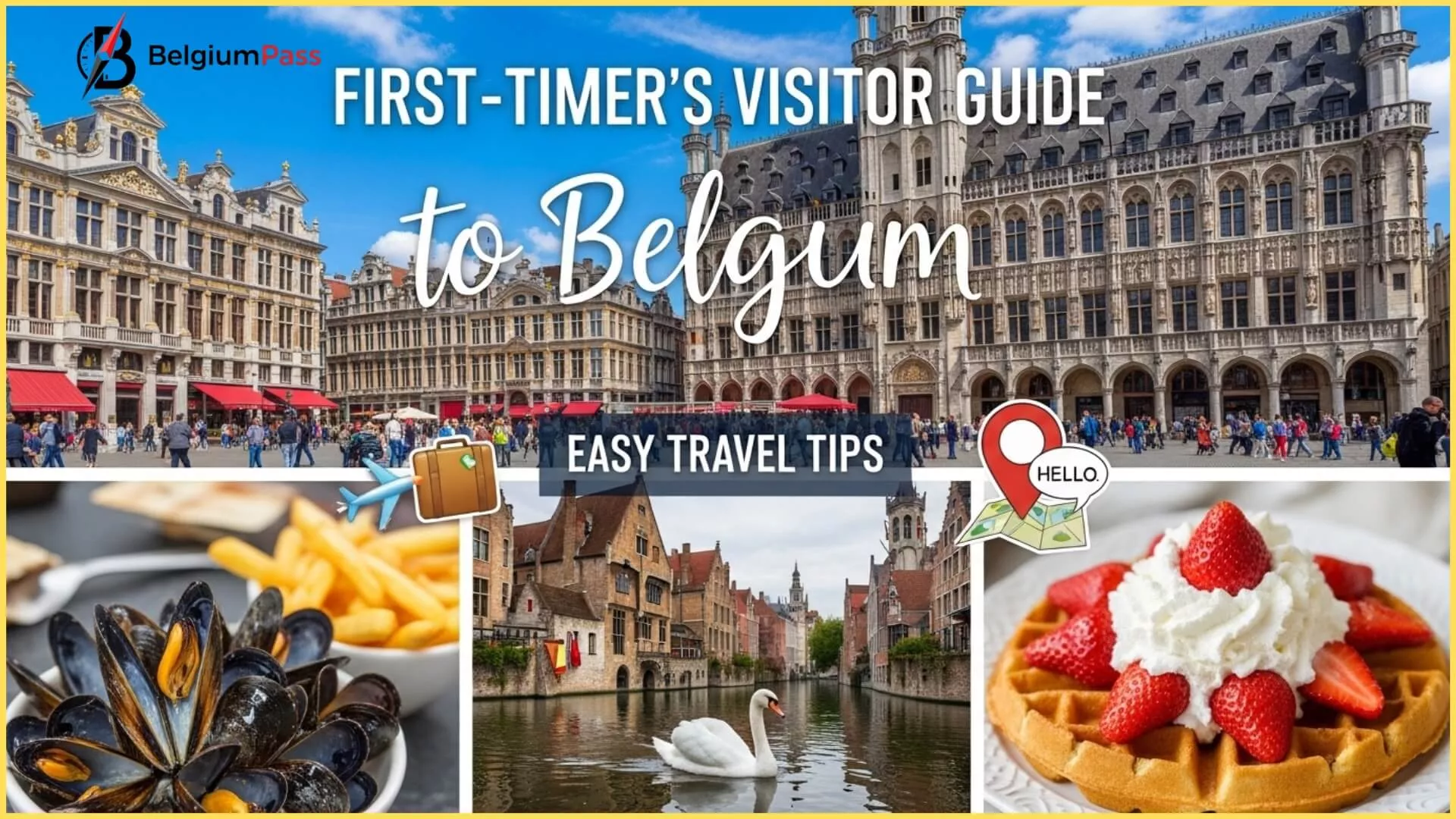
First-Timer’s Visitor Guide to Belgium: Easy Travel Tips
So you’re thinking about visiting Belgium? Great choice. Seriously, this little country is so underrated it’s almost criminal. Most people fly straight over it on their way to Paris or Amsterdam, which is honestly just a mistake. Belgium has incredible food, gorgeous medieval cities, world-class beer, and it’s small enough that you can pack a lot into just a few days. Let me walk you through everything you need to know before you go.
So… Where Even Is Belgium?
Right in the middle of Western Europe, bordered by France, the Netherlands, Germany, and Luxembourg. Which means it’s basically a travel hub in disguise. Paris is under 1.5 hours by train. Amsterdam is under 2 hours. London is just over 2 hours through the Chunnel. You can use Belgium as your base and still have one of the best European trips of your life without ever leaving the country. That’s how good it is.
When Should You Go?
Honestly? Belgium works in every season, but here’s the quick breakdown:
| Season | What to Expect | Best For |
|---|---|---|
| Spring (Mar–May) | Mild, flowers, manageable crowds | City walks, photography, bluebells in bloom |
| Summer (Jun–Aug) | Warm and buzzing, but busy | Festivals (hello, Tomorrowland!), outdoor vibes |
| Autumn (Sep–Oct) | Cooler, quieter, gorgeous colours | Hiking, peaceful city exploration |
| Winter (Dec–Feb) | Cold but absolutely magical | Christmas markets and mulled wine |
The sweet spot for most people is April–May or September–October — great weather, lower prices, and you won’t be elbowing through tour groups everywhere you go. Spring is also when the famous Hallerbos bluebell forest near Brussels blooms — and it looks unreal.
Which Cities Should You Visit?
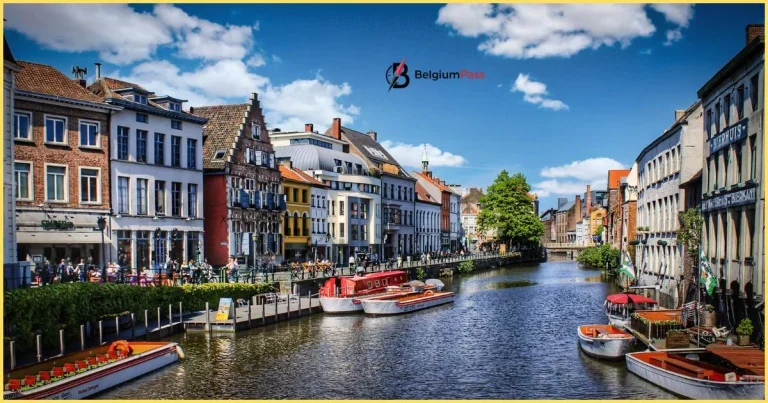
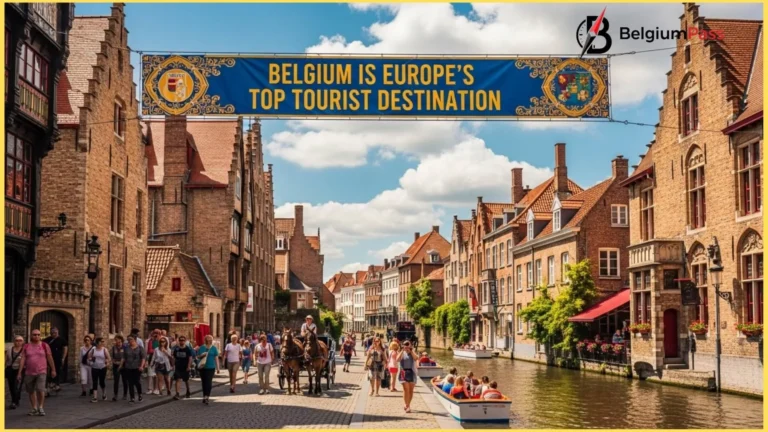
Bruges canal with colourful medieval buildings and moored boats
All of them, ideally, because they’re all reachable within an hour of each other. But here’s what to expect from each one:
Brussels — Start here. Grand squares, brilliant museums, an international buzz, and, honestly, some of the best street food you’ll ever eat. Also home to the EU headquarters, which gives it this weird mix of local charm and global energy
Bruges — The one everyone puts on their screensaver. Canals, cobblestones, medieval towers, and the kind of atmosphere that makes you want to just wander for hours with a hot chocolate in hand
Ghent — The locals’ favourite. Less touristy than Bruges but just as pretty, with a real university city energy and a castle bang in the middle of town
Antwerp — Fashion, diamonds, incredible architecture, and one of the most beautiful train stations in the world. Also: great nightlife if that’s your thing
Leuven — Tiny, charming university town with a stunning Gothic town hall. Great for a half-day visit from Brussels
Ghent’s Gravensteen Castle sits right on the water in the city centre — one of those sights that makes you stop and do a double-take.
The Food. Let’s Talk About the Food.
Belgian waffle held in hand with Ghent architecture and street in the background
This is arguably the most important section. Belgium is genuinely one of the best countries in Europe for eating and drinking. Don’t skip any of these:
Belgian waffles — Not the sad frozen kind you get at home. Real ones, warm from a street stand, topped with fresh strawberries and chocolate drizzle. Life-changing
Frites (fries) — Served in a paper cone, usually with mayo. Yes, mayo. Don’t knock it until you try it. Belgians invented these; they know what they’re doing.
Chocolate — Every street in Bruges and Brussels has a chocolatier. The handmade pralines (invented here in 1912!) are extraordinary. Budget extra time for chocolate shopping
Belgian beer — Hundreds of varieties, including Trappist ales brewed by actual monks in actual monasteries. UNESCO gave Belgian beer culture a heritage award. That’s nothing
Moules-frites — Mussels with fries, served in a giant pot. A classic Belgian meal, best in autumn when mussels are in season
Carbonnade flamande — Rich beef stew slow-cooked in Belgian beer. Comfort food at its finest
Getting Around: It’s Really Easy, Promise
Belgium has one of the best train networks in Europe, and everything is close together, which makes getting around almost stress-free.
Trains Are Your Best Mate
The national rail service (SNCB/NMBS) is fast, affordable, and runs frequently between all major cities. Ticket machines are in English, and the SNCB app makes it even easier. Here’s how quick the journeys are:
Brussels → Bruges: ~1 hour
Brussels → Ghent: ~30 minutes
Brussels → Antwerp: ~45 minutes
Brussels → Leuven: ~25 minutes
Getting Around Cities
Each major city has trams and buses. Brussels also has a metro (the only one in Belgium). Most city centres are so compact you’ll end up walking most of it anyway — just wear comfortable shoes because those cobblestones, as beautiful as they are, will absolutely wreck your feet if you’re in the wrong footwear.
The Coastal Tram
Random cool fact: Belgium’s Kusttram runs the full length of the North Sea coastline and is the longest single tram line in the world. If you make it to the coast, hop on.
Handy Tips You’ll Actually Use
Here’s the stuff nobody tells you until you’re already standing there confused:
Language — Belgium is officially trilingual (Dutch, French, and German), depending on where you are. But English is spoken pretty much everywhere in tourist spots, so don’t panic. A quick merci or dankjewel (thank you) will genuinely make locals smile.
Money — Euro (€). Cards are accepted almost everywhere, but bring a little cash for market stalls, small chocolatiers, and that one café that’s definitely cash-only.
Tipping — Not really expected. Service is usually included in the bill. Leave a small tip if you had a great experience, but nobody will chase you down if you don’t.
Public Toilets — Bit of a warning here: many public toilets in Belgium cost €0.50. Keep coins on you, ou or you’ll be doing an awkward shuffle trying to find an ATM.
Tap Water — Completely safe to drink. Just make sure to say you want tap water in restaurants, you’ll end up paying for a fancy bottle you didn’t need.
Safety — Belgium is very safe for tourists. Just use your common sense around busy train stations and crowded markets — same as any European city.
Etiquette — Belgians are polite and low-key. Greet people when you enter a shop, say goodbye when you leave, and try not to be the loudest table in the restaurant. Easy stuff.
How Many Days Do You Need?
Honestly, even 3 days gives you a solid taste of Belgium. Here’s how to plan it:
3-Day Quickie
Day 1: Brussels — Grand Place, Atomium, Royal Museums, eat everything
Day 2: Bruges — canal walk, Belfry tower, chocolate shops, pub with medieval vibes
Day 3: Ghent — Gravensteen Castle, Graslei waterfront, best beer of your life
5-Day Proper Visit
Day 1–2: Brussels (add a half-day trip to Leuven on Day 2)
Day 3: Bruges
Day 4: Ghent
Day 5: Antwerp — beautiful train station, Rubens House, fashion district, incredible frites
Bonus Day Trips from Brussels: Luxembourg City (~2hrs), Cologne (~2hrs), Amsterdam (~2hrs), Paris (~1.5hrs). Belgium really is the perfect base.
Belgium is one of those places that consistently surprises people — you show up with modest expectations and leave completely won over. The cities are beautiful without being exhausting, the food is outstanding, the people are warm once you get past the reserved exterior, and everything is just… easy.
Download the SNCB app before you go, wear comfortable shoes, come hungry, and don’t try to rush it. Belgium rewards slow exploration — grab a beer, sit by a canal, and let the country come to you.