Visit Belgium in 2026: Complete Travel Guide
So you’re thinking about Belgium for 2026? Smart choice! This tiny European gem is basically the lovechild of medieval fairy tales and modern cool—think cobblestone streets meets craft beer and chocolate (lots of chocolate). Whether it’s your first time or you’re coming back for more waffles, this guide’s got you covered.
Where Is Belgium? Quick Facts for Travelers
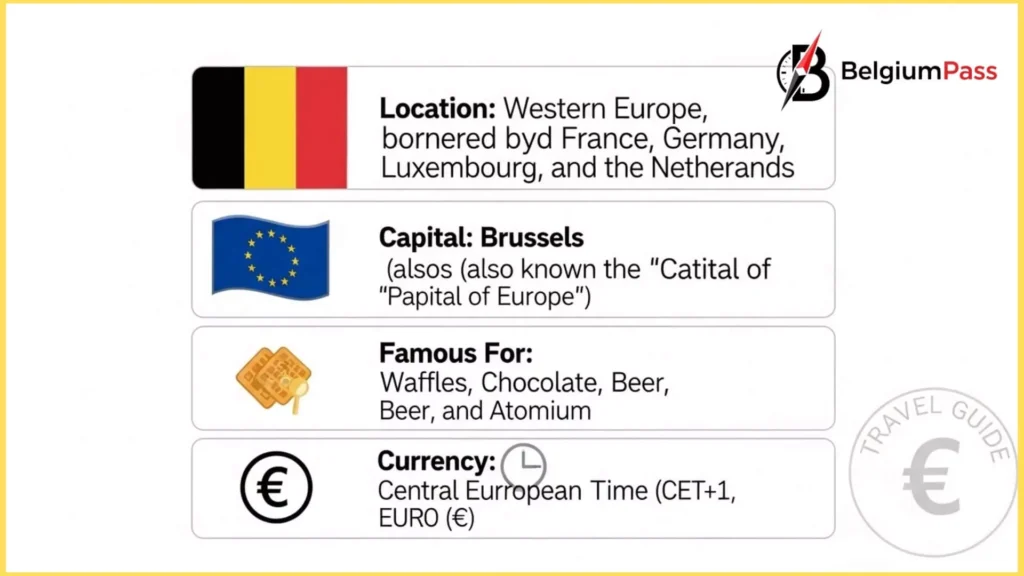
Belgium is tucked right in Western Europe’s sweet spot, sandwiched between France, the Netherlands, Germany, and Luxembourg. It’s super easy to reach and makes an awesome base for exploring neighboring countries, too.
Quick facts:
Currency: Euro (€)
Languages: Dutch in the north, French in the south, German in a tiny eastern bit, and English pretty much everywhere touristy
Time zone: Central European Time (CET)
Size: Small enough to cross in a few hours by train
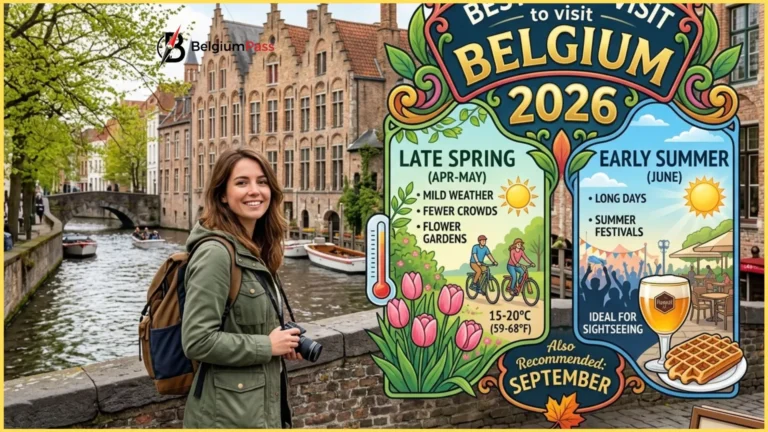
Best Time to Visit Belgium in 2026
Spring (March–May)
Spring is honestly one of the best times to go. Temps hang around 10-15°C (50-59°F), flowers are blooming, and you’ll dodge the summer crowds. Perfect for wandering around without freezing or melting.
Summer (June–August)
Peak season! Expect 12-22°C (54-72°F). This is festival central—Tomorrowland happens in July, plus Ghent Festival and Rock Werchter. Just know that everyone else had the same idea, so it’ll be busier and pricier.
Autumn (September–November)
Another winner. Temps drop to 5-20°C (41-68°F), crowds thin out, and you get gorgeous fall colors plus food festivals. Budget travelers, this is your moment.
Winter (December–February)
Cold (1-7°C/34-45°F) but magical. Christmas markets transform cities into winter wonderlands. Bring layers and your appetite for hot chocolate.
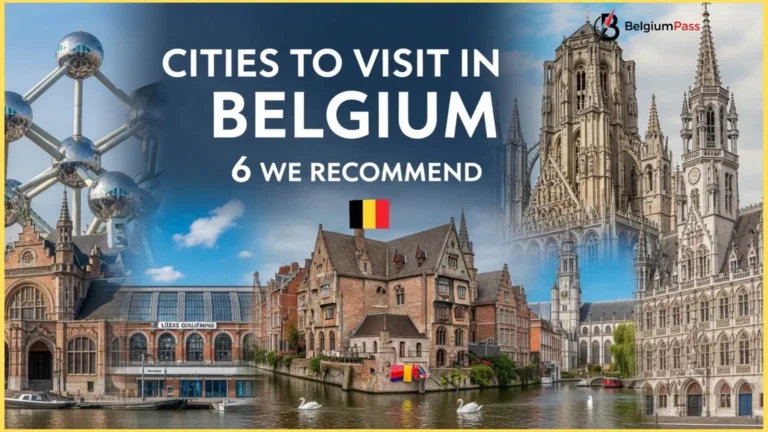
Top Places to Visit in Belgium
Brussels
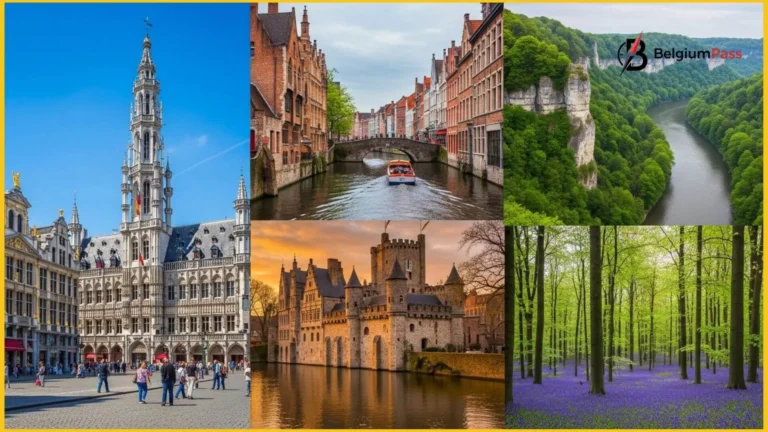
The capital’s got everything: the stunning Grand Place (a UNESCO World Heritage Site with killer medieval guildhalls), the weird-but-wonderful Atomium, tons of museums, and enough chocolate shops to bankrupt you. Don’t skip the European Quarter if you’re into politics.
Bruges
Possibly the most romantic city you’ll ever visit. Medieval architecture, dreamy canals, the Belfry tower, and cobblestone streets that look like a movie set. Go early morning to beat the day-trippers.
Ghent
Less touristy than Bruges but equally gorgeous. Check out Gravensteen Castle, the historic center, and stick around for the nightlife—it’s a university city, so the vibe’s young and fun.
Antwerp
Fashion capital meets diamond district meets major port city. Edgier and more modern than the medieval towns, with amazing shopping and art scenes.
Leuven
Another university city with gorgeous architecture (that town hall is chef’s kiss) and serious beer credentials. Smaller and more chill than Brussels.
Ardennes Region
Need nature? Head south to the Ardennes for hiking, castles, scenic villages, and outdoor adventures. Total contrast to the cities.
Belgium Itinerary Ideas
3 Days: Brussels + Bruges. Hit the highlights, eat your weight in waffles.
5 Days: Add Ghent. Now you’ve got the medieval trio covered.
7 Days: Throw in Antwerp for shopping/culture and the Ardennes for nature. This is the sweet spot.
Slow Travel: Skip the big cities and explore small towns and countryside at your own pace.
Belgian Food & Drinks to Try
Let’s be real—the food is half the reason to visit.
Must-eats:
Belgian fries (NOT French fries, thank you very much) with mayo or dozens of other sauces
Moules-frites (mussels and fries—it’s the national dish)
Carbonnade flamande (beef stew cooked in beer)
Waffles: Brussels style (light and rectangular) vs Liège style (dense and sweet)
Chocolate pralines from any artisan shop you can find
Beer situation:
Belgium has over 1,500 beers. Trappist monastery brews, lambics, gueuzes—it’s basically beer heaven. Do a brewery tour or just camp out at a café and work your way through the menu.
Festivals & Events in Belgium 2026
Belgium knows how to party:
Tomorrowland (July 17-19 & 24-26): Massive electronic music festival near Brussels in Boom
Ghent Festival (July 17-26): Free concerts, street performers, fireworks
Rock Werchter (early July): Huge rock and pop festival near Leuven
Belgian Independence Day (July 21): Parades and fireworks
Christmas Markets (December): All major cities go full cozy mode
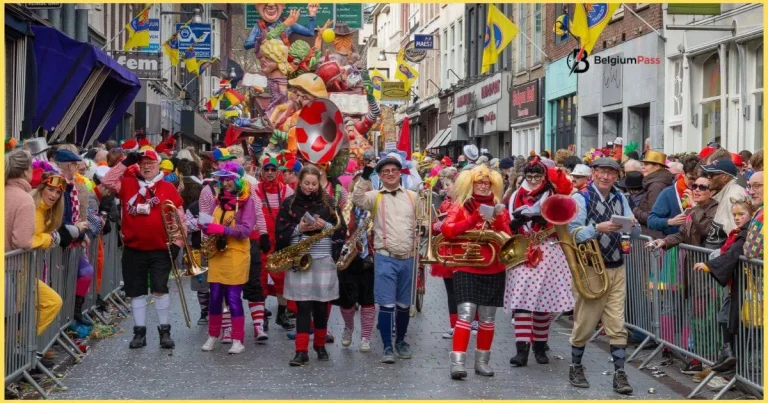
Carnival of Binche: Traditional UNESCO-recognized carnival with elaborate costumes
Transportation in Belgium
Getting There
Multiple international airports, with Brussels being the main hub. Trains connect easily from Paris, Amsterdam, London (Eurostar), and other European cities.
Getting Around
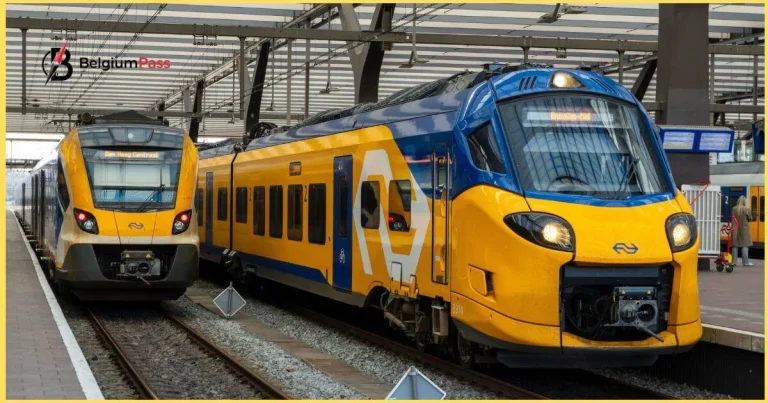
Belgium’s train system (SNCB) is expanding, with a 7.4% increase in services planned through 2026. Trains are affordable, frequent, and connect all major cities in under an hour usually. Buses, trams, and bikes fill in the gaps. The country’s small, so nothing’s far.
Pro tip: Look into rail passes or city cards for savings.
Budget & Travel Costs in 2026
Belgium’s not dirt cheap, but it’s manageable:
Budget travelers: Around $81/€69 per day (hostels, street food, local transport)
Mid-range: Figure €100-150 per day (decent hotels, restaurants, activities)
Luxury: Sky’s the limit, but expect €200+ per day
Accommodation, food, and transportation will be your big expenses. Eating frites from street vendors and staying in hostels or budget hotels helps stretch your euros.
Travel Tips for Visiting Belgium in 2026
Language: English works fine in cities and tourist spots. Learning “hello” (Bonjour/Hallo) helps.
Tipping: Not required but rounding up or leaving 5-10% for good service is appreciated.
Safety: Belgium’s generally safe. Use common sense in crowded areas.
Weather: Pack layers and a rain jacket. Belgian weather’s moody.
Electrical: Type E plugs (European standard), 230V.
Visa & Entry Requirements for Belgium (2026)
Starting late 2026, if you’re from a visa-exempt country (like the US, Canada, Australia), you’ll need ETIAS authorization to enter Belgium. It’s not a visa—more like a pre-travel screening system. You’ll need:
A biometric passport valid for at least 3 months beyond your departure
An email address for confirmation
Can stay up to 90 days within 180 days
The application’s online and pretty straightforward.
Is Belgium Safe for Tourists?
Yep, Belgium’s safe overall. Solo travelers and families do just fine. Keep an eye on your stuff in crowded places (Brussels train stations, tourist hotspots), but violent crime against tourists is rare. Emergency number is 112.
UNESCO World Heritage Sites
Belgium’s packed with 15 UNESCO sites, including:
Grand Place in Brussels
Historic Centre of Bruges
Belfries of Belgium and France
Notre-Dame Cathedral in Tournai
Plantin-Moretus Museum Complex
The Four Lifts on the Canal du Centre
These alone are worth the trip if you’re into history and architecture.
Frequently Asked Questions
Is Belgium expensive?
Moderate. Cheaper than Switzerland or Norway, pricier than Eastern Europe.
How many days are enough?
5-7 days lets you see the main cities without rushing. 3 days works for a quick hit.
Do people speak English?
In cities and tourist areas, absolutely. Smaller towns, less so, but you’ll manage.
Is Belgium good for families?
Totally. Safe, compact, easy transport, plenty of kid-friendly activities.
Is Belgium worth visiting in 2026?
100%. Great mix of history, culture, food, and accessibility.
If you want medieval charm, world-class beer, ridiculous chocolate, incredible art, and cities you can actually walk around without getting exhausted—Belgium’s your spot. It’s perfect for first-timers and returners alike. The country’s small size means you can pack a lot in without feeling rushed, and the train system makes hopping between cities super easy.
2026’s looking solid for Belgium travel, with improved rail services and major festivals on the calendar. Book accommodation early if you’re coming during summer or festival season, and give yourself time to just wander and stumble into cozy cafés.