
Where to Spend a Week in Belgium 2026: Travel Guide
Alright, so you’re thinking about spending a whole week in Belgium in 2026? Smart move. Belgium might be tiny—like, you can practically drive across it in a couple of hours—but trust me, it packs more punch per square kilometer than almost anywhere else in Europe. Think medieval towns, world-class beer, chocolate that’ll ruin regular candy for you forever, and some seriously underrated art scenes. Plus, getting around is super easy, which means less time stressing about trains and more time eating fries.
How to Plan the Perfect One-Week Trip to Belgium
Planning your week largely depends on the type of traveler you are. If you’re all about hitting the big-name cities and checking off the classic sights, you’ll want to focus on Brussels, Bruges, and Ghent. But if you’re more into nature and want to escape the tourist crowds, head south to Wallonia and the Ardennes for hiking, kayaking, and castle-hopping.
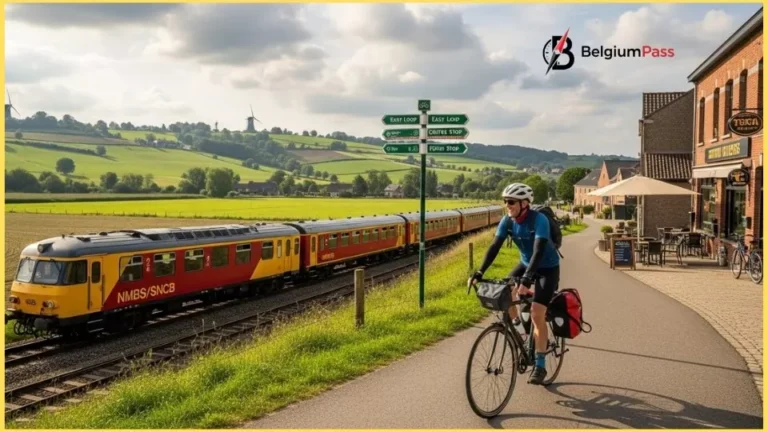
The beauty of Belgium is that you don’t need a car unless you’re going deep into the countryside. The train system (SNCB/NMBS) connects pretty much everything, and it just got cheaper in 2025—regular tickets now max out at €20.90 instead of €26, which is a nice bonus. If you’re planning to hop around a lot, grab a Train+ card for an extra discount, especially on weekends, when you can save up to 58%.
Best Places to Spend a Week in Belgium
Brussels, Bruges & Ghent (The Classic Route)
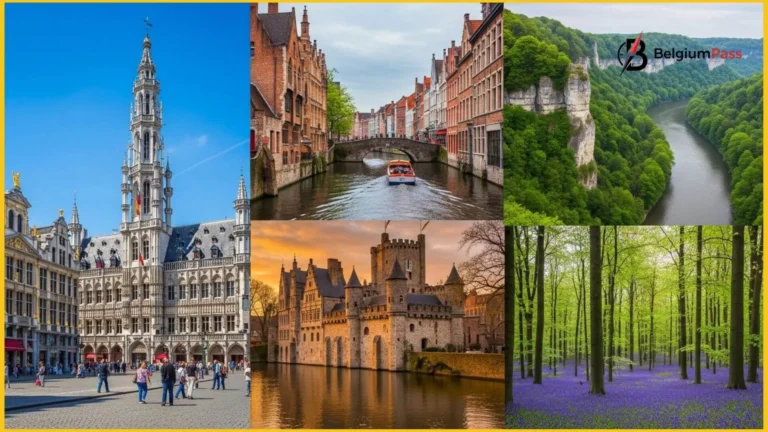
This is your “greatest hits” itinerary, and honestly, you can’t go wrong here. Start with 2-3 days in Brussels—check out the Grand Place (it’s ridiculously photogenic), wander through the EU quarter if politics are your thing, and hit up the chocolate museums. Then head to Bruges for 2 days of fairytale canals and medieval architecture. Yeah, it’s touristy, but there’s a reason everyone goes there. Wrap up in Ghent for 2 days—it’s got the charm of Bruges but with way more locals and a vibrant student vibe.
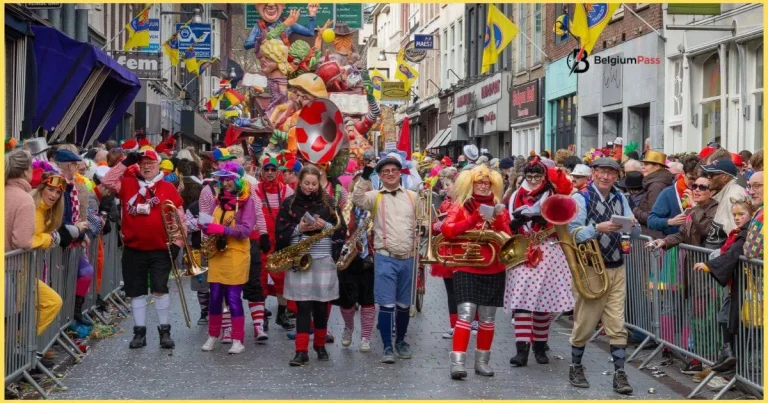
If you time it right, you could catch the Ghent Festival in July (July 17-26, 2026), which is a massive 10-day party with free concerts, street performers, and fireworks. Or there’s the Ommegang Pageant in Brussels (likely July 1 & 3), where people dress up in historic costumes and parade to the Grand Place—it’s delightfully weird.
Bruges & Ghent (Romantic & Chill)
Perfect for couples or anyone who wants to slow down and soak it all in. Spend 3-4 days in Bruges exploring the canals, visiting the Minnewater Lake, and maybe catching the Cactus Festival (July 10-12) if you’re into alternative pop and rock. Then move to Ghent for the rest of your week. Less rushing around, more chocolate and beer. This route is basically made for Instagram.
Brussels & Antwerp (Culture, Art & Fashion)
If you’re more into urban exploration, fashion, and contemporary art, split your week between Brussels (3-4 days) and Antwerp (3-4 days). Antwerp’s got the diamond district, insane shopping, and a fashion scene that rivals Paris. It’s also just cooler and edgier than the other Belgian cities. Great for anyone who finds medieval towns a bit too “been there, done that.”
Wallonia: Dinant, Namur & the Ardennes
Now we’re talking. This is for people who actually want to do stuff, not just look at stuff. Head south to Dinant and Namur for kayaking on the Lesse and Meuse rivers, hiking in the Ardennes, and visiting castles like Château Walzin. You can kayak for 2-5 hours, depending on the route (21km or 12km options available), and the scenery is absolutely stunning—limestone cliffs, forests, and fortresses.
This region is way quieter than the northern cities, so if you’re trying to avoid crowds and get some fresh air, Wallonia is where it’s at. Plus, there are Trappist monastery trails you can hike while thinking deep thoughts about beer.
Belgium for Food & Beer Lovers
Okay, let’s be real—this is probably why you’re going to Belgium in the first place. You could easily spend a week just eating and drinking your way through the country. Start in Brussels and hit up food markets like Wolf Sharing Food Market for fries, waffles, and Belgian beer. Don’t miss the chocolate shops like La Belgique Gourmande andthe Choco Story museum.
For beer nerds, do a Trappist brewery tour. You can visit places like Westmalle Abbey, La Trappe, and Achel to taste some of the world’s best beers and learn about centuries-old brewing traditions. Some tours even include lunch at Trappisten Café, where you can pair your beers with local food. Belgian beer culture is no joke—there are options for all tastes, from light blondes to heavy quadrupels.
Best Time to Spend a Week in Belgium
Spring (April-May) and summer (June-August) are prime times. The weather’s decent, everything’s open, and there are tons of festivals. July is particularly packed with events like Tomorrowland (July 17-19 & 24-26)—one of the world’s biggest electronic music festivals—Rock Werchter (July 2-5), and the Ghent Festival.
Winter can be charming too, especially around Christmas when the markets pop up in Brussels and Bruges. Just know it’ll be colder and rainier, but hey, that’s what the beer is for. Autumn (September-October) is quieter, and you’ll catch film festivals like the Brussels International Film Festival (September 4-12) and Ghent Film Festival (October 14-25).
Cost of Spending a Week in Belgium
Let’s talk money. Belgium isn’t cheap, but it’s not going to destroy your budget either. For accommodation, expect to pay around €86/night for budget hotels and €126/night on average. For a whole week, you’re looking at roughly €879 for hotels (about $879 USD).
Food-wise, budget around €17/day if you’re eating casually. A kebab runs €3.50-€5, mussels and fries €15-€25, and a sit-down dinner for two €75-€150. Belgian waffles are €2-€5, friesare €33-€5, and beer at a bar is €4-€8. If you’re into fancy dining, lunch menus start around €38 and dinners around €65 per person.
Transportation is affordable thanks to the new train pricing—max €20.90 per journey, and way less if you get the Train+ card. All in, a week in Belgium on a mid-range budget will probably run you around €1,500-€2,000 per person, including accommodation, food, transport, and a few attractions.
Getting Around Belgium During Your One-Week Trip
The train system is your best friend. SNCB/NMBS trains connect all the major cities, and journeys are short—Brussels to Bruges is about an hour, Brussels to Ghent is 30 minutes. Tickets are cheaper now (maxing at €20.90) and even cheaper with the Train+ card, which costs just €6/month and gives you discounts of 30-58% depending on when you travel.
For cities, you can walk most places or use local trams and buses. If you’re heading to the Ardennes or countryside, consider renting a car, but honestly, for a week-long city-hopping trip, you won’t need one.
Where to Stay in Belgium for One Week
In Brussels, stay near the Grand Place or the Sainte-Catherine neighborhood for easy access to food markets and nightlife. Bruges is small, so anywhere in the historic center works. Ghent has great options in the old town near Graslei and Korenlei. For Wallonia, look for holiday homes or small hotels in Dinant or Namur—some even come with saunas and jacuzzis for post-hike relaxation.
Mix it up between hotels and boutique stays or Airbnbs, depending on your budget. Booking early for 2026 will get you better deals, especially during festival season.
Belgium Travel Tips for 2026
Belgium has three official languages—Dutch (Flemish) in the north, French in the south (Wallonia), and a tiny bit of German in the east. Most people speak English, especially in tourist areas, but learning a few phrases in French or Dutch never hurts.
Belgians are pretty chill but appreciate politeness. Say “Bonjour/Goedendag” when entering shops. Tipping isn’t mandatory since service is included, but rounding up is nice. And yes, the chocolate and beer hype is real—indulge freely.
Safety-wise, Belgium is very safe. Standard city precautions apply (watch your bag in crowded areas), but you’re not going to have any major issues.
Sample 7-Day Belgium Itineraries
First-Time Visitors: Brussels (2 days) → Bruges (2 days) → Ghent (2 days) → Day trip to Antwerp or back to Brussels (1 day)
Couples: Bruges (3 days) → Ghent (3 days) → Brussels (1 day)
Families: Brussels (2 days) → Bruges (2 days) → Dinant/Ardennes (3 days for outdoor activities)
Food & Beer Lovers: Brussels (3 days with food markets and brewery tours) → Bruges (2 days) → Trappist brewery route (2 days visiting Westmalle, La Trappe, Achel)
Where Should You Spend a Week in Belgium?
Honestly, you can’t really mess this up. If it’s your first time, do the classic Brussels-Bruges-Ghent loop and soak up the culture, history, and ridiculous amounts of chocolate. If you’ve been before or want something different, head to Wallonia for nature and adventure. And if you’re a foodie or beer enthusiast, just eat and drink your way through the country—you’ll have zero regrets.
Belgium in 2026 is shaping up to be a great year to visit, with tons of festivals, improved train travel, and a growing focus on sustainable tourism. Just book early, especially if you’re going during summer festivals like Tomorrowland or the Ghent Festival, and you’re golden.