Cycling in Belgium by train: easy routes with coffee and lunch stops
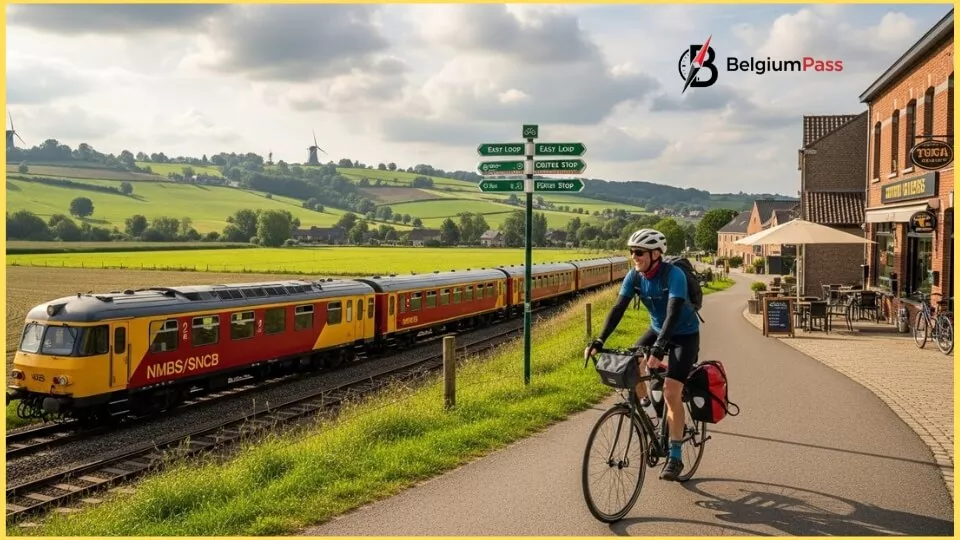
Belgium might just be the perfect country for lazy cyclists who love good coffee. The trains take bikes without much fuss, everything’s pretty flat (your legs will thank you), and there’s a café practically every 5 kilometers. Plus, you can hop on a train whenever you’re too tired, or it starts raining—which, let’s be real, happens a lot here.
Why Belgium Is Perfect for Train-Based Cycling
Dense Rail Network
Belgium is tiny, which is actually brilliant for cyclists. Most towns are literally 1-2 hours apart by train, and SNCB (the Belgian rail company) doesn’t make it complicated to bring your bike along. You can basically plan a route, get tired halfway through, and just catch a train back. No drama.
Flat and Well-Marked Cycling Infrastructure
Flanders has this genius system called “knooppunten” (cycling nodes)—basically numbered junctions that let you plan routes without getting lost every 10 minutes. The paths follow canals and old rail trails, so you’re not dodging cars or climbing hills. It’s cycling for people who actually want to enjoy themselves, not train for the Tour de France.
Strong Café Culture
Belgium takes coffee seriously. Every town has local roasters, cycling cafés with bike racks out front, and terraces where you can sit for ages without anyone rushing you. Some cafés even sell bikes alongside their espresso—how Belgian is that?
How to Travel with a Bike on Belgian Trains
Bike Tickets and Rules
You’ll need a bike supplement ticket, which costs €4 for a single journey. There’s also a day pass option if you’re planning multiple trips. Buy it at the station, from a machine, or online—just don’t forget to validate it or you’ll get fined. Folding bikes travel free if they’re actually folded, but regular bikes need that supplement.
Pro tip: avoid rush hour (weekdays 6:30-9 am and 4-7 pm). The trains are packed, and nobody wants to wrestle a bike through angry commuters.
Best Trains for Cyclists
Look for the bike symbol on the train—that’s your carriage. Usually there’s one bike car per train, sometimes two if it’s a long one. The conductor will point you in the right direction if you look confused enough. Just note: you can’t load bikes at Brussels-Central, Brussels-Chapelle, or Brussels-Congrès stations.
Practical Planning Tips
Use the SNCB website for train times and the “fietsrouteplanner” (bike route planner) for cycling directions. The knooppunten system works with physical signposts everywhere, so you can navigate without draining your phone battery.
Easy Cycling Routes in Belgium with Coffee Stops
Leuven to Mechelen (Flat & Scenic)
Distance: ~27-30 km
Why it’s easy: This route follows the Leuven-Dijle Canal almost the entire way—flat, car-free, and impossible to get lost. The canal path is a proper cycling highway, so it’s smooth and wide.
Coffee stops:
Start in Leuven (university town = good coffee everywhere) before hopping on the canal path. When you roll into Mechelen, head to the historic squares around St. Rumbold’s Cathedral—plenty of terraces by the water to recover.
Ghent to Deinze Along the Leie River
Distance: ~25 km
Highlights: Pretty river views, art villages, and basically zero hills. The Leie is one of those routes where you forget you’re exercising because you’re too busy looking at the Flemish countryside.
Coffee stops:
Ghent is a specialty coffee heaven. Hit up Bidon Coffee & Bicycle before you leave—it’s literally a bike shop and café in one, so you’re already in the right mindset. They do excellent cappuccinos and sell cycling gear if you forgot anything. In Deinze, look for riverside terraces along the water.
Brussels to Halle (Urban to Nature)
Distance: ~18-20 km
Why it works: You follow the Charleroi-Brussels canal south on a dedicated cycle highway with lighting and everything. It’s car-free the whole way, so families love this one too.
Coffee stops:
Brussels has trendy coffee bars everywhere—take your pick near the canal departure point. Halle is smaller but has cozy local bakeries in the town center once you arrive. Perfect for a pastry break before catching the train back.
Antwerp to Lier (Family-Friendly Route)
Distance: ~16-19 km
Highlights: Super flat, river views, and short enough that kids won’t complain the entire time. Lier’s old town is gorgeous—medieval buildings and canals everywhere.
Coffee stops:
Antwerp’s specialty coffee scene is massive, so fuel up before leaving. In Lier, the historic center has plenty of traditional Belgian cafés around the main square. Good spot to try a local waffle with your coffee.
Ostend to Bruges (Coastal to Medieval)
Distance: ~23-25 km
Why it’s popular: Straight canal path connecting the North Sea to possibly Belgium’s most beautiful city. It’s paved, flat, and scenic the whole way—trees line the canal so it feels park-like.
Coffee stops:
Start with a beach café in Ostend (sea air + coffee = ideal). Bruges is packed with specialty coffee spots—way too many to list, but just wander the medieval center, and you’ll find something excellent. Fair warning: Bruges gets crowded, so maybe go on a weekday.
Best Coffee Stops for Cyclists in Belgium
What makes a café cyclist-friendly? Bike racks out front, outdoor seating, and staff who don’t freak out when you show up in Lycra. Places like Bidon in Ghent and Full Circle Coffee (Belgium’s first 100% plant-based coffee bar) get the vibe right. They’re used to cyclists rolling up, ordering multiple coffees, and sitting there for an hour while their legs recover.
Belgium’s coffee culture varies a bit regionally, but everywhere takes it seriously. You’ll find local roasters even in smaller towns, and nobody rushes you to leave.
Best Time of Year for Cycling by Train in Belgium
Spring (April-May) and early autumn (September-October) are perfect—mild weather, fewer tourists, and the countryside looks amazing. Summer’s fine too, but popular routes like Bruges can get packed with people. Plus, you get longer daylight hours for those post-coffee second stops.
Winter? Only if you’re hardcore. It’s cold, wet, and gets dark around 4 pm. But hey, the trains still run.
What to Pack for a Train-and-Bike Day Trip
Keep it simple:
Rain jacket (this is Belgium—it will rain)
Bike lock (obvious, but people forget)
Lights if you’re out late
Water bottle and snacks
Phone with route downloaded offline
Maybe a small backpack
You don’t need much for 20-30km routes. Save space for whatever you buy at the café.
Tips for Slow Travel & Café Cycling
The whole point here isn’t speed—it’s enjoying the ride. Stop whenever something looks interesting. Support local cafés instead of chains. Combine a bit of culture (Bruges’ canals, Mechelen’s cathedral) with cycling and coffee. This isn’t a workout; it’s a way to actually see Belgium without rushing through on a highway.
Take the train one way, cycle back. Or cycle out, get tired, and train home. There’s no wrong way to do this.
Belgium’s basically designed for people who want to cycle without making it a whole production. Flat routes, trains that actually accommodate bikes, and excellent coffee at both ends of every ride—what more do you want? Whether you’re following canal paths from Leuven to Mechelen or cruising the coast from Ostend to Bruges, you’re never more than a train ride away from home. Just grab a bike supplement ticket, pick a route, and go find some good coffee.