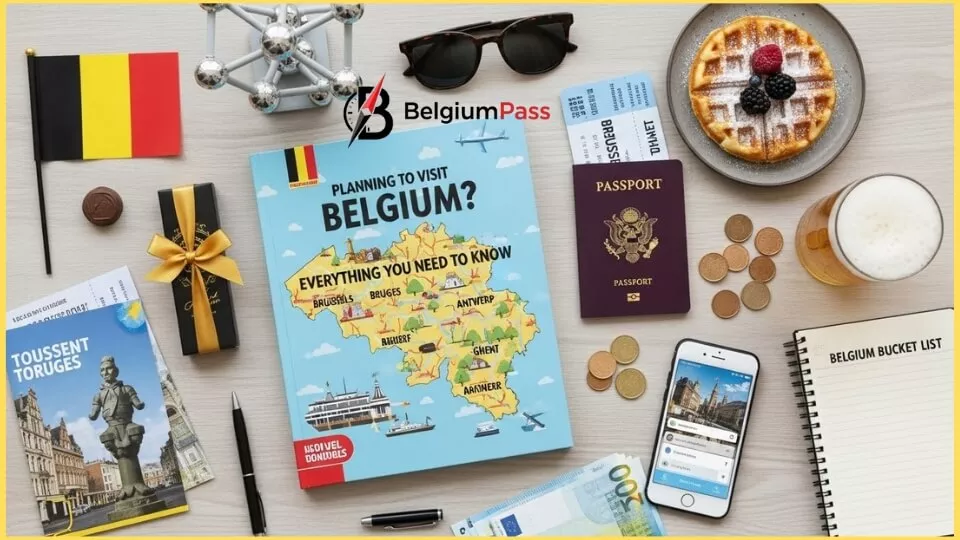
Planning to Visit Belgium? Everything You Need to Know
Belgium welcomed nearly 19 million tourists in 2024, and honestly, it’s not hard to see why. This little gem tucked in the heart of Europe serves up medieval fairy-tale towns, world-class chocolate, legendary beer, and some seriously impressive art and architecture—all packed into a country you can drive across in about three hours.
Why Visit Belgium?
Belgium punches way above its weight when it comes to travel appeal. You’ve got this cool mix of medieval Bruges (think canals and cobblestones) sitting right next to modern Brussels with its EU headquarters and hipster cafes. The country sits smack in the middle of Western Europe, making it super easy to combine with trips to Paris, Amsterdam, or Germany.
Here’s the thing—Belgium is actually three regions with different vibes: Dutch-speaking Flanders in the north, French-speaking Wallonia in the south, and a tiny German-speaking bit in the east. This multicultural setup means you get different flavors, languages, and even architectural styles depending on where you wander. Plus, the whole country is so compact that you can hit multiple cities in a weekend without feeling rushed.
Best Time to Visit Belgium
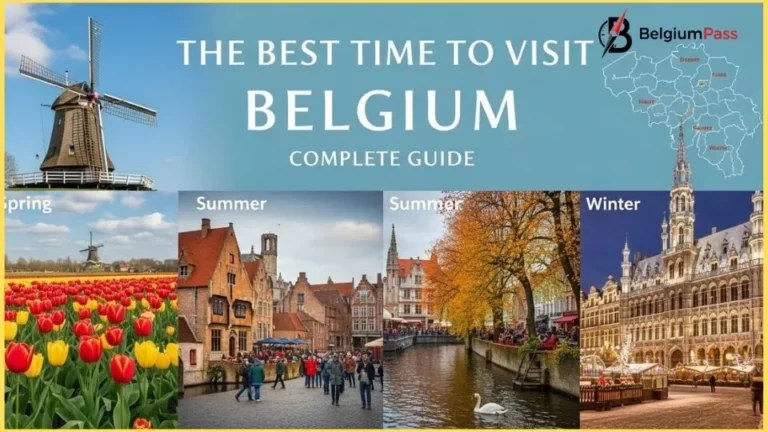
Spring (March–May)
Spring is pretty sweet if you ask me. The weather’s mild, flowers are blooming, and you won’t be fighting through massive tourist crowds yet. It’s perfect for walking around those gorgeous medieval squares without sweating through your shirt.
Summer (June–August)
This is peak season for a reason—festivals everywhere, long sunny days, and outdoor terraces packed with locals. The Brussels Jazz Marathon in May draws 1.88 million visitors, and summer festivals in Ghent are legendary. Just be ready for higher prices and more tourists snapping selfies at every monument.
Autumn (September–November)
Fall colors in Belgium are stunning, especially in the Ardennes region. You’ll catch food and beer festivals (Belgian Beer Weekend in October attracts 1.67 million visitors), and the weather’s still decent for sightseeing. It’s like summer’s chill younger sibling.
Winter (December–February)
If you’re into Christmas markets, Belgium absolutely delivers. Brussels Winter Wonders runs from late November through early January with over 200 market stalls, while Bruges and Antwerp host their own magical winter markets. Yeah, it’s cold and sometimes rainy, but mulled wine and warm waffles make up for it. Plus, way fewer tourists in January and February.
Top Places to Visit in Belgium
Brussels
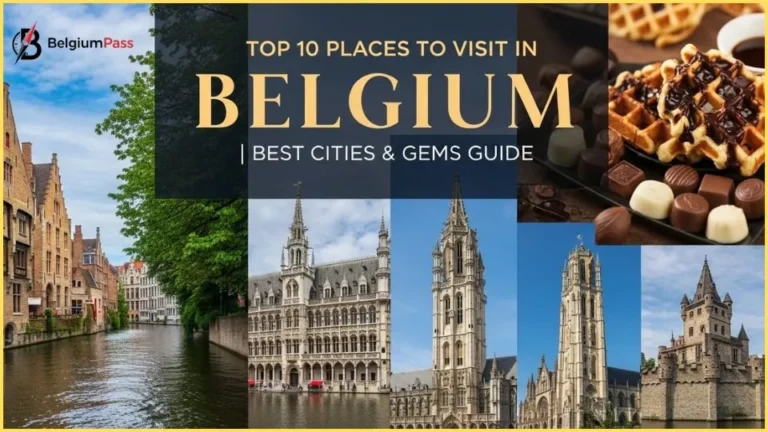
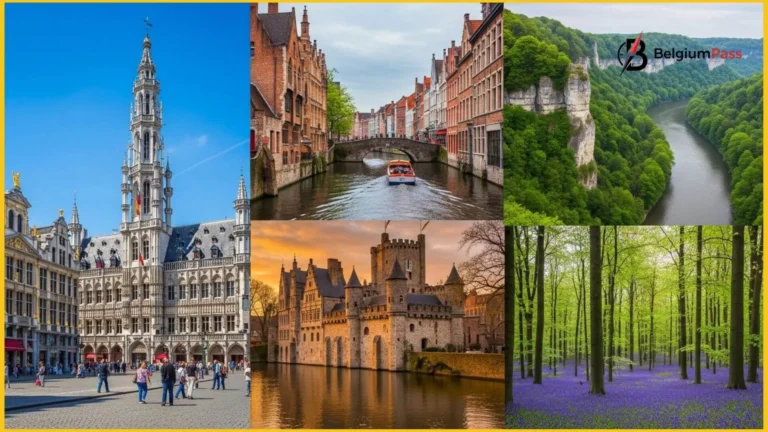
The capital is where you’ll find the jaw-dropping Grand Place—seriously, it’s one of the most beautiful squares in Europe. The Atomium looks like something from a retro sci-fi movie, and if you’re into politics, you can geek out over the EU institutions. Don’t miss the comic book murals scattered around the city; Belgium is basically the birthplace of comic art.
Bruges
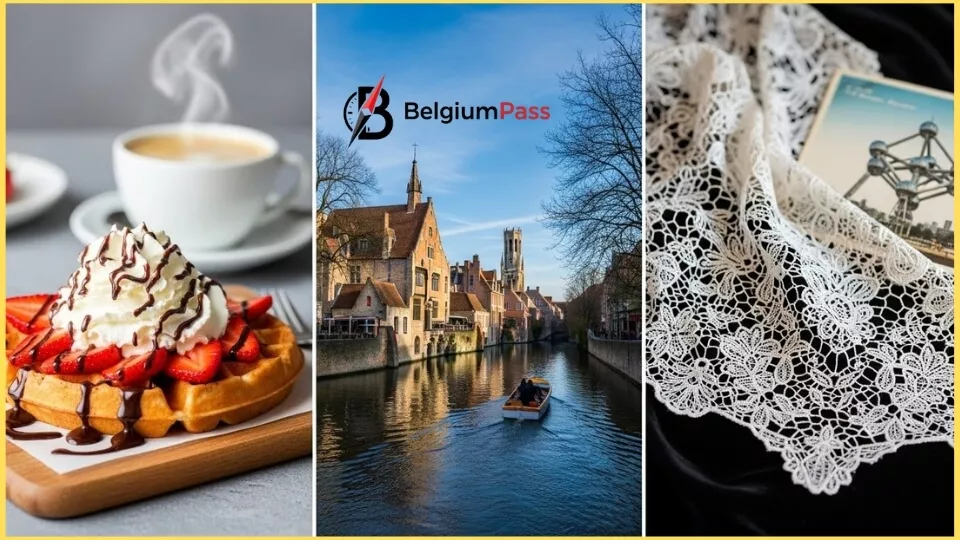
Bruges is the poster child for medieval European charm with its canals, cobblestone streets, and insanely photogenic Markt square. It’s romantic, car-free in the center, and perfect for slow horse-and-carriage rides. Just go early in the morning or late afternoon to dodge the day-trippers from Brussels.
Ghent
Ghent has that historic castle vibe (hello, Gravensteen Castle) but with a younger, more relaxed energy thanks to its student population. It’s less touristy than Bruges but just as beautiful. The Summer Festival here is one of the biggest cultural events in Europe.
Antwerp
If you’re into fashion, diamonds, and cutting-edge art, Antwerp is your spot. It’s got a more sophisticated, urban feel compared to the medieval towns. The cathedral is stunning, and the shopping scene is top-notch.
Other Must-See Destinations
Leuven has beautiful university architecture, Dinant sits dramatically along the Meuse River, Liège offers a grittier but authentic Belgian experience, and the Ardennes region is perfect if you want nature, hiking, and castles.
Things to Do in Belgium
Honestly, just wandering around is half the fun. Explore medieval castles like Gravensteen in Ghent, check out world-class museums (the Comics Art Museum in Brussels is housed in a Victor Horta building—pure Art Nouveau eye candy), and definitely take a canal cruise in Bruges.
Food experiences are huge here: chocolate tastings, brewery tours, and waffle stands on every corner. Belgium also loves its festivals—there’s pretty much something happening every weekend in summer, from jazz to beer to medieval reenactments.
Belgian Food and Drink You Must Try
Traditional Belgian Dishes
Moules-frites (mussels and fries) is basically the national dish—simple but ridiculously good when done right. Carbonnade flamande is a rich beef stew made with Belgian beer that’ll warm you up on a cold day.
Belgian Chocolate and Waffles
Belgian chocolate isn’t just hype—brands like Neuhaus, Callebaut, and Godiva actually originated here. Neuhaus is known for pralines and those fancy ganache-filled chocolates. As for waffles, you’ll find two types: Brussels waffles (lighter and crispier) and Liège waffles (denser and sweeter with caramelized sugar). Street waffles in Bruges, dipped in Belgian chocolate, are legitimately life-changing.
Belgian Beer Culture
With over 1,500 varieties of beer, Belgium takes brewing seriously. Trappist beers (made by monks) are the holy grail for beer nerds. Hit up traditional beer cafés where the menu might have 200+ options—just ask the bartender for recommendations if you’re overwhelmed.
Transportation in Belgium
Belgium’s train system is excellent and connects all major cities quickly. Brussels to Bruges? Less than an hour. Getting around cities is easy with trams, buses, and metros. Budget about €12 per day for transportation if you’re hopping between cities.
Honestly, you don’t need a car unless you’re exploring rural Ardennes. Public transit is way more convenient and stress-free in cities where parking is a nightmare anyway.
Language and Local Culture
Belgium has three official languages: Dutch (in Flanders), French (in Wallonia), and German (in a small eastern region). In Brussels, both Dutch and French are official, but you’ll hear French more often. The good news? Most Belgians speak pretty good English, especially in tourist areas and among younger people.
Cultural etiquette is pretty relaxed—Belgians are friendly but value their personal space. A simple “bonjour” or “hallo” goes a long way when entering shops or restaurants.
Travel Tips for Visiting Belgium
Belgium uses the euro, so no currency exchange headaches if you’re coming from other Eurozone countries. Credit cards are widely accepted, but carry some cash for smaller vendors and markets.
Safety-wise, Belgium is generally very safe for tourists, though Brussels has the usual big-city pickpocket issues in crowded areas. Tipping isn’t mandatory since service is included in bills, but rounding up or leaving 5-10% for good service is appreciated.
Power plugs are the standard European two-pin type (Type C/E), and WiFi is everywhere—cafés, hotels, even some public squares offer free access.
Budget vs Luxury Travel in Belgium
Budget Travel Tips
You can absolutely do Belgium on a budget—think around €94 per day covering hostels (€30/night), public transport, street food, and a couple of attractions. Free things include walking tours, market wandering, and checking out those comic murals in Brussels. Many museums offer free entry on the first Sunday of the month.
Luxury Experiences
If you’re splurging, expect around €179-311 per day for boutique hotels, Michelin-starred dining, private brewery tours, and VIP chocolate tastings. Belgium has some seriously gorgeous Art Nouveau hotels in Brussels and romantic canal-side stays in Bruges that’ll run up the bill but create unforgettable memories.
Belgium Visa and Entry Requirements
Belgium is part of the Schengen Area, so visa rules are pretty standard. Many nationalities (including US, Canada, Australia) can visit visa-free for up to 90 days within 180 days. You just need a biometric passport valid for at least three months beyond your departure date and issued within the last 10 years.
If you do need a Schengen visa, you’ll need travel insurance with minimum €30,000 coverage, proof of accommodation, return tickets, and financial proof that you can support yourself during your stay. Important note: starting mid-2025, visa-exempt travelers need to apply for ETIAS travel authorization online before arrival.
Frequently Asked Questions
Is Belgium safe for tourists?
Yes, Belgium is generally very safe, though standard city precautions apply in Brussels—watch your belongings in crowded tourist spots.
How many days are enough to visit Belgium?
Three to five days lets you hit Brussels, Bruges, and maybe Ghent or Antwerp comfortably without rushing.
Is Belgium expensive to visit?
It’s moderate—cheaper than Switzerland or Scandinavia but pricier than Eastern Europe. Budget travelers can manage on €94/day, mid-range €179/day.
Do people in Belgium speak English?
Most Belgians speak good English, especially in tourist areas, cities, and among younger people.
Ready to Go?
Belgium seriously delivers the European dream—medieval charm, world-class food, incredible art, and enough beer to keep any traveler happy. Whether you’ve got a long weekend or a full week, this compact country packs in more experiences than places ten times its size.
Start planning your trip now—check those flight prices, book that canal-side hotel in Bruges, and maybe brush up on your “alstublieft” and “merci beaucoup.” Belgium’s waiting, and trust me, it won’t disappoint.