
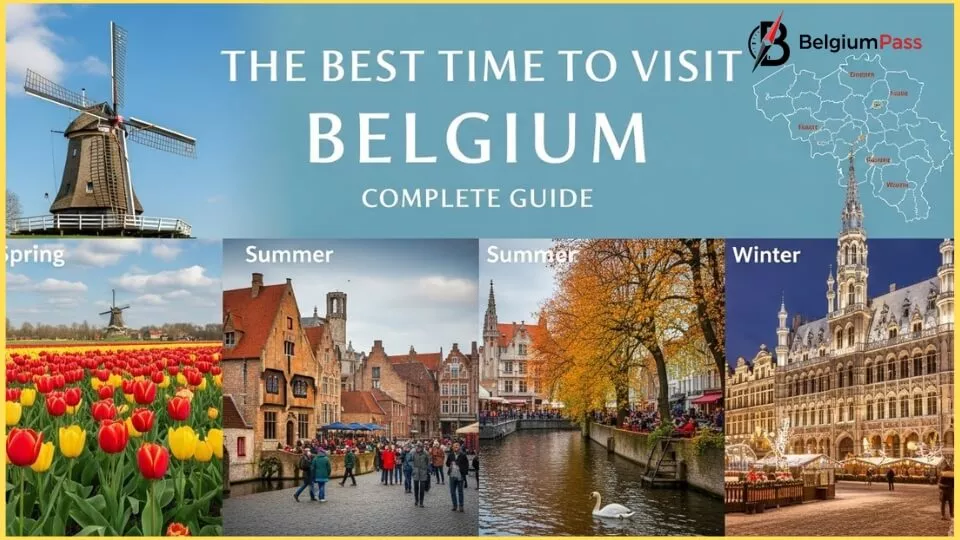
The Best Time to Visit Belgium: Complete Guide
Belgium is one of those countries that looks good in almost any weather: medieval squares, canals, chocolate shops, beer bars, Christmas markets – it all works year-round. The trick is picking the right time for your style of trip: dry(ish) weather, low prices, romantic vibes, festivals, or family-friendly school holiday timing.
In this guide, you’ll see how Belgium changes from season to season, which months work best for sightseeing, festivals, budgets, couples, and families, plus a simple month‑by‑month rundown so you can quickly match dates to your ideal trip.
1. Overview of Belgium’s Climate
Belgium has a mild, temperate maritime climate: nothing too extreme, but you do get plenty of clouds and fairly regular rain. Winters are cool to cold, summers are warm rather than boiling, and you should basically assume you’ll need a light jacket or umbrella at almost any time of year.
Seasonally, you get:
Cool, often damp winters with short days.
Mild springs that can swing between sunny and showery.
Comfortable summers with some hot days, but usually manageable heat.
Cool, often grey autumns with crisp days and more rain as you move into November.
Average winter daytime temps hover a few degrees above freezing, while summer usually ends up in the low‑ to mid‑20s Celsius – enough for outdoor terraces and park days, but not “Spain-in-August” levels.
2. Best Time to Visit Belgium for Ideal Weather
If you care more about the weather than anything else, here’s the simple breakdown:
Spring (March–May)
Mild temperatures, parks and trees turning green, flowers popping up, but still changeable – some days feel like early summer, others remind you winter just left. Great for city walks and canal views without summer crowds.
Summer (June–August)
Warm days with more daylight and a better chance of dry, nice weather. Great for outdoor cafés, cycling, and seaside trips, but expect bigger crowds and higher prices in popular areas.
Autumn (September–November)
September is often a little gem: still mild, fewer crowds. October brings lovely fall colors but cooler air; November can be quite grey and damp. Fantastic for cozy city breaks and food/beer trips.
Winter (December–February)
Cold, short days, but very atmospheric – especially in December with Christmas markets and lights. Great if you like off‑season prices, museums, and hot chocolate rather than sunbathing.
3. Best Time to Visit Belgium by Season
3.1 Spring in Belgium
Weather: Expect 8–18°C depending on the month, lots of “wear layers and you’re fine” days, plus the occasional shower.
Best places: Brussels, Bruges, Ghent, Antwerp – all look amazing with spring light, plus parks and canals start feeling alive again.
Events: Easter events, flower displays, early beer and food festivals. It’s a good time for photography and slow wandering.
Spring is ideal if you want to walk a lot, see the main cities, and not worry about sweating through your T‑shirt by lunchtime.
3.2 Summer in Belgium
Peak season: June–August, especially July–August when school holidays hit.
Where to go:
Cities for outdoor terraces and evening walks.
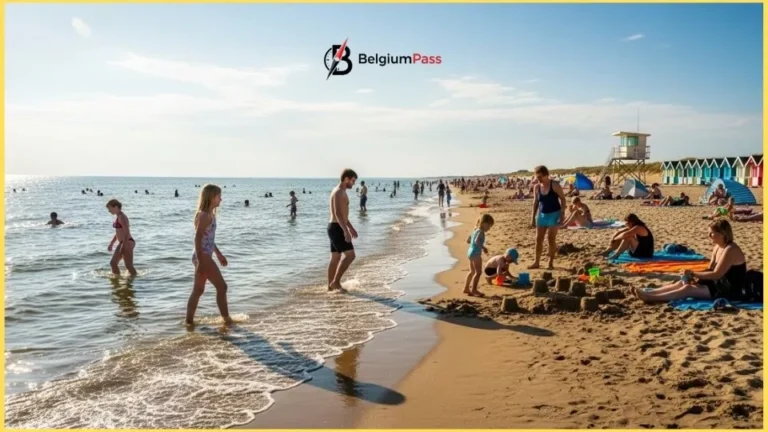
Belgian coast for beach days, even if the North Sea isn’t exactly tropical.
Festivals: Huge music festivals, national celebrations, and lots of local events and fairs.
Summer is when Belgium really feels social: people outside, bars packed, late sunsets. Just expect higher prices and book early for popular weekends.
3.3 Autumn in Belgium
Vibes: Warm-ish September, then slowly sliding into cozy jacket-and-scarf weather. Trees turn golden, canals and cobblestones look extra photogenic.
Food & drink: Great season for hearty dishes, seasonal beers, and comfort food.
Culture: Perfect for museum-hopping, city breaks, and lingering in cafés when it rains.
If you like fewer crowds and don’t mind carrying an umbrella, autumn can be one of the most rewarding times to visit.
3.4 Winter in Belgium
Christmas magic everywhere: Cities like Brussels, Bruges, and Ghent light up with festive markets, ice rinks, and cozy holiday vibes that feel classic and joyful.
Weather: Cold and often damp; snow is possible but not guaranteed. Short days, so you’ll plan around daylight.
Best winter spots: Bruges and Ghent for storybook winter nights, Brussels for big markets and events, Ardennes for nature and countryside stays.
Winter works well if you’re on a budget, love Christmas vibes, or prefer museums and cozy bars over long hikes.
4. Best Time for Festivals and Events
Belgium is small but packed with festivals: music, food, beer, culture – you name it.
Spring: Cultural events, flower shows, early beer/food festivals.
Summer: Peak festival time – especially music festivals and city celebrations.
Autumn: Harvest‑style events, beer and food festivals, cultural nights.
Winter: Christmas markets, New Year’s festivities, winter events.
If you’re planning a trip around festivals, summer is the most intense, but late spring and early autumn are a nice balance between events and decent weather.
5. Best Time for Budget Travelers
The cheapest months are usually November, January, and February (except around Christmas and New Year), with lower hotel prices and fewer tourists.
Off‑season perks: More availability, quieter streets, better value on mid‑range places.
Money‑saving tips:
Travel midweek rather than on weekends.
Stay slightly outside old towns and walk or tram in.
Book trains in advance and keep an eye on promo fares.
If your priority is keeping costs down, aim for late autumn or winter city breaks and save the “peak” months for when you really want outdoor festivals.
6. Best Time for Sightseeing
You want to walk around, see the big landmarks, and not spend half the day hiding from rain or heat.
Best months: April, May, June, September, and early October.
Key cities:
Brussels for grand squares, EU buildings, and museums.
Bruges for canals, fairy‑tale streets, and viewpoints.
Ghent for a slightly less-touristy vibe with cool architecture.
Antwerp for fashion, nightlife, and a more urban feel.
In shoulder seasons, you get decent weather, longer days, and more pleasant queues at top attractions.
7. Best Time for Couples and Honeymooners
If you’re going for romance – think canals, cobblestones, and candlelit dinners – timing is everything.
Most romantic seasons:
Late spring for soft light, flowers, and mild evenings.
Winter (Dec) for Christmas lights, markets, and moody canal walks with hot chocolate.
Best cities: Bruges (classic romantic pick), Ghent (less crowded but beautiful), Brussels old town, plus cozy small towns or countryside inns.
A long weekend in Bruges in spring or just before/around Christmas is pretty much rom‑com material.
8. Best Time to Visit Belgium with Family
School holidays: Summer holidays are easiest for families schedule‑wise but also busiest and priciest.
Good family seasons: Late spring and early autumn – pleasant temps for kids, fewer crowds, easier to move around.
Family‑friendly stuff: Castles, canals, chocolate shops, boat trips, bike rides, interactive museums.
Weather‑wise, you mainly want to avoid super‑wet weeks and be ready with layers and rain gear – kids usually care more about “fun things to do” than perfect sunshine.
9. Month‑by‑Month Guide to Visiting Belgium
Very quick vibe check for each month:
January – Cold, quiet, cheap. Good for budget city breaks and museums.
February – Still wintery, occasional events, low prices, short days.
March – Early spring feel; some grey days, but things start waking up.
April – Really nice for sightseeing, parks greening up, decent daylight.
May – One of the best: mild, bright, vibrant, not fully peak yet.
June – Warm, longer days, more festivals, and outdoor life.
July – Peak season: busy, lively, fun, higher prices.
August – Very busy in tourist hotspots; great for festivals and the coast.
September – Another top pick: still mild, fewer crowds, lovely light.
October – Cooler, autumn colors, great for cozy trips and food/beer.
November – Quiet, often grey, but very cheap and good for museums.
December – Christmas markets, lights, festive atmosphere, chilly but charming.
10. “Worst” Time to Visit Belgium
There isn’t a truly awful time, but some periods are trickier depending on your tolerance:
If you hate grey and drizzle, late autumn and deep winter can be tough – short days, more rain, and fewer “sit on a terrace for hours” moments.
If you hate crowds and higher prices, mid‑July to late August, long weekends, and big festival times will annoy you.
Think of Belgium as “always possible, but sometimes you’ll need a better jacket, sometimes a bigger budget.”
11. Travel Tips for Visiting Belgium
Packing by season:
Always bring layers and something waterproof.
Summer: lighter clothes + a light jacket for evenings.
Winter: warm coat, scarf, gloves, and waterproof shoes if possible.
Transport:
Trains are excellent between major cities and towns.
Trams and buses are easy in cities.
You usually don’t need a car unless you’re going deep into the countryside.
Etiquette & safety:
People often speak multiple languages (Dutch, French, sometimes German, plus English in tourist areas), so a simple “Bonjour” or “Hallo” goes a long way.
Tipping isn’t huge, but rounding up or leaving a small amount is appreciated.
Overall, Belgium is pretty safe – just normal city awareness.
FAQs
Q: What is the best month to visit Belgium?
A: If forced to pick one: May or September. Both offer mild weather, reasonable crowds, and lots of things open and running.
Q: Is Belgium good to visit year‑round?
A: Yes. It’s more about adjusting your expectations: winter = cozy markets and museums; summer = terraces and festivals; shoulder seasons = best all‑round balance.
Q: When is Belgium most crowded?
A: July–August, long weekends, and major festival periods. Bruges and Brussels can get especially packed then.
Q: When is Belgium the cheapest to visit?
A: Generally, November, January, and February (excluding Christmas/New Year). You’ll find better deals on flights and accommodation.
The best time to visit Belgium really depends on what you want most:
Best overall balance: late April–June and September–early October.
Best for festivals and buzz: summer.
Best for budgets and Christmas vibes: winter.





Great seasonal guide to visiting Belgium 🇧🇪 Very helpful for planning the perfect trip. Travelers from the UK should remember to apply for a Belgium visa from UK in advance, especially in peak months.