Tour Belgium: Guide for Food, Culture & Adventure
Belgium is one of the most underrated countries in Europe. People fly over it on their way to Paris or Amsterdam without a second thought, and honestly? That’s their loss. This tiny little country somehow manages to cram in fairy-tale medieval cities, insanely good food, world-class beer, and proper outdoor adventures. Oh, and chocolate. So much chocolate.
Whether you’re a first-timer or a seasoned traveller looking for something new, Belgium is genuinely worth your time. Let us explain why.
Where Even Is Belgium?
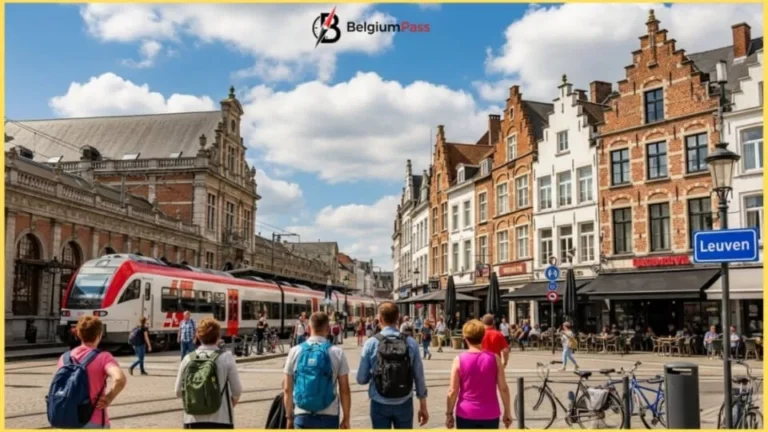
Belgium sits right in the middle of Western Europe, squeezed between France, the Netherlands, Germany, and Luxembourg. It’s stupidly easy to get to — Brussels has a major international airport, and high-speed trains connect it to London (under 2 hours via Eurostar), Paris (1h 20min), and Amsterdam (about 2 hours). Basically, it’s the perfect add-on to any European trip, but it honestly deserves to be the main destination.
The Best Cities to Visit
Brussels – The Heart of Belgium
Grand Place in Brussels with the Gothic town hall and the rainbow
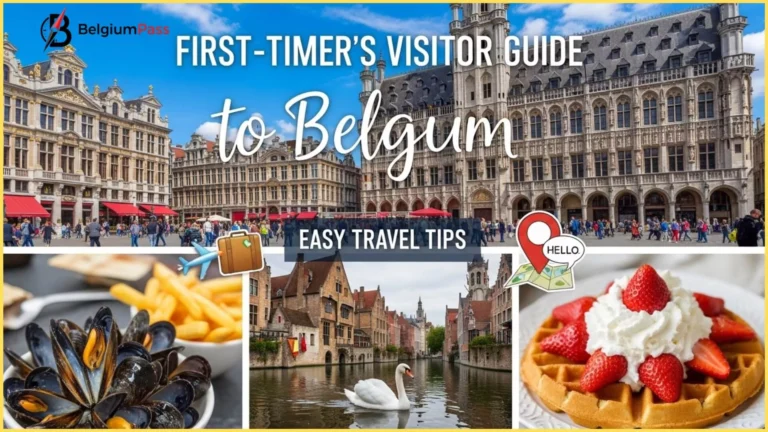
Brussels is the capital, the HQ of the EU, and home to one of the most jaw-dropping city squares you’ll ever lay eyes on. The Grand Place is genuinely stunning — Gothic guild houses, golden details, and an atmosphere that somehow feels magical at any time of day.
Beyond the Grand Place, you’ve got the quirky Atomium (a giant molecule-shaped building from the 1958 World’s Fair — weird and brilliant), the cheeky Manneken Pis statue (it’s smaller than you expect, fair warning), and world-class chocolate shops on every corner. Don’t leave without sitting down to a proper plate of moules-frites at a traditional Brussels brasserie. You’ll thank us later.
Bruges – The Fairy-Tale City
Colourful medieval buildings lining a canal with boats in Bruges, Belgium
Bruges is almost unfairly beautiful. The whole historic centre is a UNESCO World Heritage Site, and walking through it feels like someone pressed pause on the Middle Ages. Canals, cobblestone streets, horse-drawn carriages, swans gliding past… It’s almost too picturesque.
Climb the Belfry of Bruges (366 steps, legs optional), take a boat tour through the canals, and end the day at De Garre — a tiny hidden bar that serves a house Tripel at 11%. It sneaks up on you, just so you know. Bruges is only 1 hour by train from Brussels, so there’s zero excuse not to go.
Ghent – Bruges’ Cooler Sibling
Ghent has everything Bruges has — canals, medieval castles, stunning architecture — but it also has a massive university scene that gives it a lively, youthful energy. Less touristy, more authentic, and honestly just as gorgeous.
The highlights? Gravensteen Castle (an actual moated fortress in the middle of the city — insane), the Ghent Altarpiece at St Bavo’s Cathedral (one of the most important paintings ever made), and the best frites you’ll find anywhere via the legendary Frites Atelier. Ghent is also perfectly placed between Brussels and Bruges, so you’re basically mad to skip it.
Antwerp – Fashion, Art & Diamonds
Antwerp is Belgium’s second city and has serious swagger about it. It’s the fashion capital of the country, the diamond trading capital of the world, and the birthplace of Peter Paul Rubens, whose baroque mansion you can actually visit. The Royal Museum of Fine Arts has a Flemish masterpiece collection that’ll keep any art lover busy for hours.
Oh, and Antwerp’s Central Station is so ridiculously beautiful that even if you’re just passing through, you’ll stop and stare. Best-looking train station in Europe? Quite possibly.
Belgian Food: The Real Reason to Go
Let’s be honest — Belgian food culture alone justifies the trip.
Waffles
Not the sad frozen ones from the supermarket. Real Belgian waffles are something else entirely. There are two types: the Brussels waffle (light, crispy, rectangular) and the Liège waffle (denser, caramelised, and chewy in the best way). Street stalls will load them with chocolate, strawberries, whipped cream, and caramel, and yes, you should get all of it.
Belgian Chocolate
Belgium basically invented modern chocolate as we know it. Brands like Godiva, Neuhaus, and Leonidas all started here. But skip the airport boxes and visit the small artisan chocolatiers in Bruges and Brussels — where you can watch it being made and sample until you feel genuinely guilty. It’s a fully acceptable way to spend an afternoon.
Belgian Frites
Do NOT call them French fries. The Belgians invented them, and they will tell you so. Double-fried, crispy outside, fluffy inside, served in a paper cone with a mountain of sauce options (mayo is the move). Every city has its legendary frietkot (fry stand), and eating frites on a street corner is basically a Belgian rite of passage.
Belgian Beer
Over 1,500 different beers. UNESCO officially recognised Belgium’s brewing culture as an Intangible Cultural Heritage. From Trappist ales brewed by actual monks (try Westvleteren if you can find it — it’s regularly called the best beer in the world) to refreshing witbiers and dangerously drinkable golden ales, there’s something for everyone. The rule in any Belgian bar: always make eye contact when you clink glasses. It’s tradition, and skipping it is considered very bad luck.
Culture: Belgium Has Layers
Castles & Architecture
Gravensteen in Ghent is a full medieval fortress right in the city centre — moat included. The Citadel of Dinant dramatically overlooks a river gorge. And Bruges is essentially one giant open-air museum. Belgium takes its heritage seriously, and it shows.
Museums & Art
Belgium punches way above its weight in the art world. Jan van Eyck, Rubens, René Magritte, and James Ensor all called this country home. The Royal Museums of Fine Arts in Brussels holds one of Europe’s finest collections, and Rubenshuis in Antwerp lets you literally walk through the master’s home and studio. Even if you’re not normally an art person, this stuff is hard not to be impressed by.
Festivals & Events
Belgium is absolutely festival-mad:
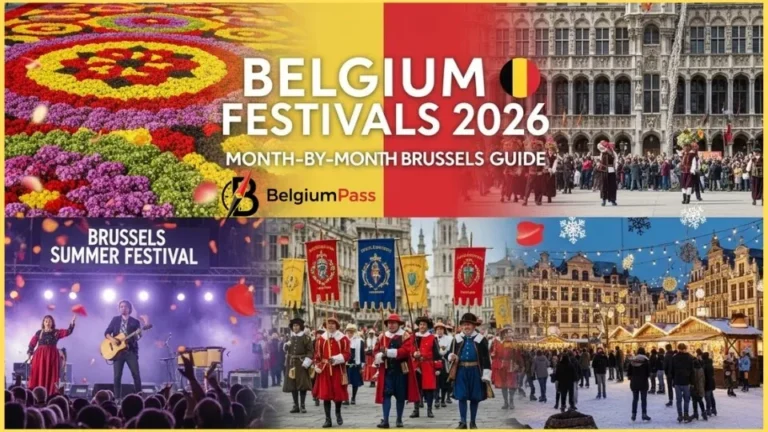
Carnival season (Feb–March): Binche Carnival is UNESCO-listed — expect insane costumes and people throwing oranges at you
Ghent Festival (July): 10 days of free street concerts and cultural madness
Tomorrowland (July, Boom): One of the world’s biggest and most spectacular music festivals
Christmas markets (December): Brussels, Bruges, and Ghent all transform into something out of a storybook
Adventure: Belgium Isn’t Just Cities
Hiking in the Ardennes
Head south and you’ll find a completely different Belgium. The Ardennes is all dense forests, river gorges, hilltop castles, and almost zero crowds. Trails range from easy family strolls to proper full-day treks. The Ninglinspo trail in Liège province is a hidden gem — a waterfall-dotted valley walk that looks like something from a fantasy novel.
Cycling the Countryside
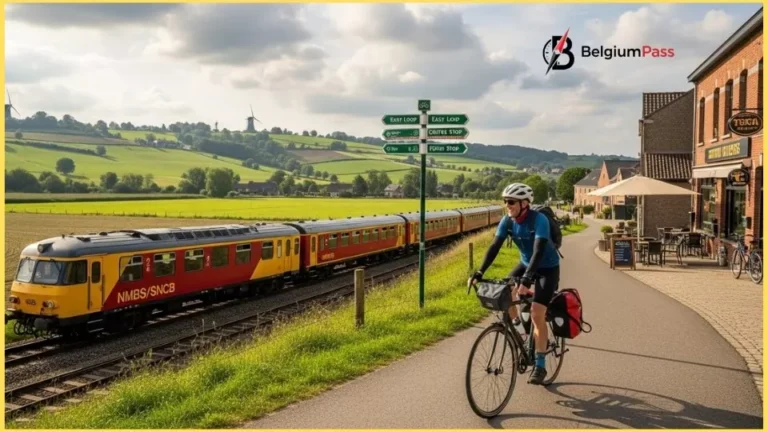
Flat Flanders is basically made for cycling. The Ronde van Vlaanderen route traces the legendary cycling race through cobblestone villages and rolling hills. In the Ardennes, there are over 450 km of mountain bike trails, and e-bike rentals are everywhere if your legs aren’t feeling heroic.
River Kayaking
Kayaking the Ourthe, Lesse, or Amblève rivers in the Ardennes is one of Belgium’s best-kept secrets — beginner-friendly, beautiful, and loads of fun. Trips start from around €15–€30 per person and can last anything from 2 hours to a full day. The section near the Coo Waterfalls is especially spectacular.
Best Time to Go
| Your Vibe | Best Time |
|---|---|
| Nice weather + fewer tourists | April–May |
| Festivals + outdoor buzz | June–July |
| Scenic autumn + low prices | Sept–Oct |
| Christmas magic | December |
| Absolute budget mode | Jan–Feb |
Spring (April–May) is genuinely the sweet spot — pleasant weather, everything’s blooming, and you won’t be shoulder-to-shoulder with other tourists. Summer is brilliant for festivals, but Bruges in July can feel like a theme park. Autumn is seriously underrated. December is magic if you love Christmas markets.
Quick Travel Tips
Getting around:
Trains are fast, cheap, and connect all major cities (Brussels to Bruges in under an hour)
Skip the wheeled suitcase — cobblestones are merciless
Bikes are perfect in Flanders between May and September
Save money:
Eat at frietkots and street stalls — solid meals under €7
Grab the Brussels Card (€22–35) for free museum entry + unlimited transport
Flixbus between cities from €5
Free walking tours in every major city — always a solid starting point
Respect the locals:
Belgium is split: Dutch (Flemish) in the north, French in the south, and German in the east. A simple “dank u wel” or “merci” in the right region earns instant goodwill.
Always make eye contact when clinking beer glasses — it’s not just tradition, apparently skipping it brings 7 years of bad luck (their words, not ours)
Your 4-Day Belgium Itinerary
Day 1 – Brussels: Grand Place, Manneken Pis, chocolate shop crawl, moules-frites dinner, craft beer evening
Day 2 – Bruges: Canal boat tour, Belfry climb (do it), waffles, De Garre for that sneaky 11% Tripel, evening stroll
Day 3 – Ghent: Gravensteen Castle, the Ghent Altarpiece, Frites Atelier lunch, Ghent nightlife
Day 4 – Antwerp: Rubenshuis, Royal Museum of Fine Arts, fashion district, that incredible train station, head home happy
So… Is Belgium Worth It?
One hundred per cent, yes — no debate. Belgium is the kind of destination that surprises people in the best possible way. They show up expecting a quick city break and leave completely obsessed, with luggage full of chocolate and a newfound appreciation for very strong beer.
The food is incredible, the cities are stunning, the culture goes deep, and the Ardennes will sort out anyone who needs a proper dose of nature. It’s small enough to cover a lot in just a few days, but rich enough that you’ll want to come back every time.